
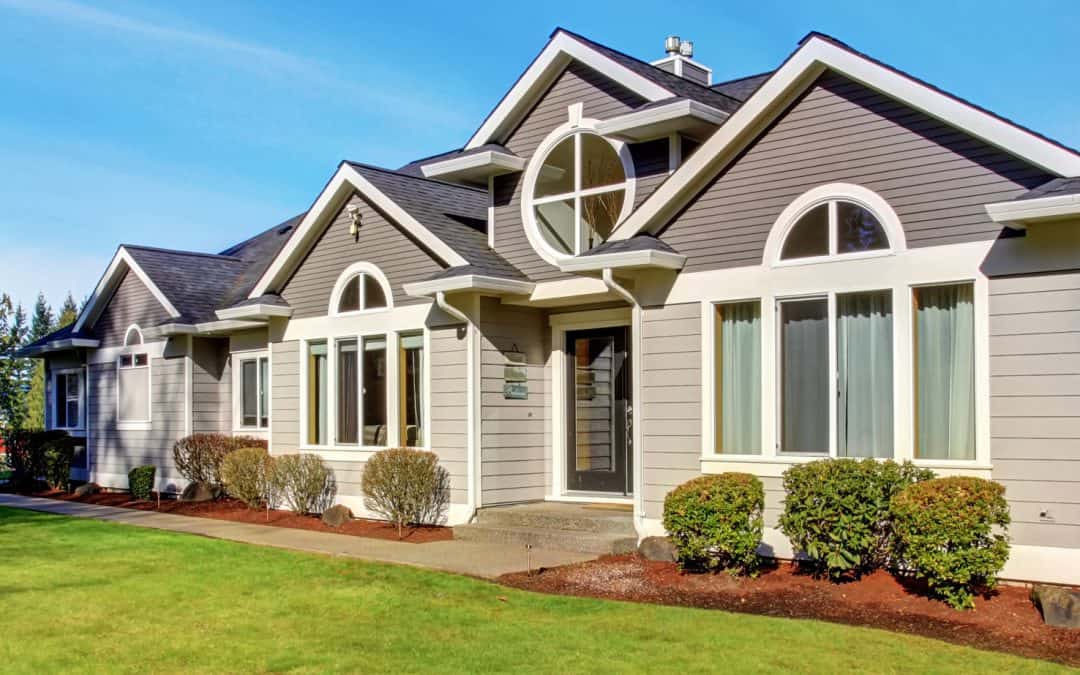
Exterior waterproofing in Anchorage means sealing your siding, trim, and foundation so wind-driven rain, snow, and freeze-thaw cycles can’t push moisture into the structure. Done right, it combines surface prep, the correct primer, and a flexible, water-resistant topcoat — and it’s the single best defense against the peeling, rot, and mold that Alaska weather causes. Here’s what you’ll learn: how waterproofing actually works, which surfaces need it, and how to tell whether your home is overdue.
Why does waterproofing matter so much in Anchorage?
Anchorage homes take a beating that milder climates never see. Long winters, heavy snow loads, ice dams, and dozens of freeze-thaw cycles each season work moisture into every gap. When water gets behind paint or siding and then freezes, it expands — prying coatings loose and splitting wood fibers.
The result is the damage every Anchorage homeowner recognizes: bubbling paint, soft trim, dark streaks below windows, and mildew on north-facing walls. Waterproofing stops that cycle at the surface, before it reaches the sheathing and framing where repairs get expensive.
How does exterior waterproofing work?
Waterproofing isn’t one product — it’s a system. Each layer does a specific job:
- Surface prep: Cleaning, scraping, and sometimes weatherizing your home by sealing gaps so the coating bonds to a sound, dry surface.
- Repairs: Replacing rotten wood, recaulking joints, and patching cracks where water sneaks in.
- Primer: A bonding, moisture-blocking base coat — especially important on bare or previously damaged wood.
- Waterproof topcoat: A flexible, water-resistant paint or elastomeric coating that sheds water while still letting trapped vapor escape.
That last point matters in Alaska. A good system is water-resistant from the outside but breathable from the inside, so interior moisture doesn’t get sealed in and cause hidden rot.
Which surfaces need waterproofing?
Not every part of your home is equally vulnerable. Prioritize the areas that see the most water and wind:
| Surface | Risk level | Best protection |
|---|---|---|
| Wood siding & trim | High | Primer + waterproof acrylic topcoat |
| Fascia & soffits | High | Sealed, repainted, gaps caulked |
| Foundation & masonry | Medium–High | Masonry waterproofer / elastomeric |
| Decks & railings | High | Penetrating stain or sealer |
| Window & door frames | High | Fresh caulk + sealed paint film |
If you’re already planning exterior painting, it’s the ideal time to fold in waterproofing — the prep work overlaps, so you protect the home and refresh its look in one project.
How do I know my home needs waterproofing?
Watch for these warning signs, especially after the spring thaw:
- Peeling, blistering, or flaking paint on siding or trim
- Dark water stains or streaks below windows and gutters
- Soft, spongy, or discolored wood when you press on trim
- Mildew or green/black growth on shaded walls
- Visible gaps in caulk around windows, doors, and joints
One or two of these means it’s time to act. Several together usually mean moisture has already started working into the wood — and the longer it sits, the more the repair grows. Our exterior painting tips for siding, trim, and doors in Anchorage cover the prep details that make any coating last.
DIY or hire a pro?
Sealing a small section of deck or recaulking a window is a reasonable weekend job. Whole-home waterproofing is not — it depends on correct prep, the right primer-topcoat pairing, dry weather, and safe access to upper walls and fascia.
For homes in Turnagain and other wind-exposed Anchorage neighborhoods, a professional crew gets the timing right (Alaska’s dry-enough painting window is short) and warranties the work. That’s the difference between a coating that lasts a decade and one that fails in two winters.
Getting started
The best time to waterproof is before you see damage — but the second-best time is right now, while the issue is still cosmetic. Start with an honest inspection of your siding, trim, and foundation, then get a professional assessment of which surfaces need sealing and which need repair first.
Campbell Painting will walk your home, identify the vulnerable spots, and recommend the right system for your siding and budget — no pressure, just a clear plan to keep Alaska’s weather where it belongs: outside.
Ready to protect your home?
Campbell Painting LLC proudly serves Anchorage, AK and the surrounding neighborhoods — Sand Lake, Turnagain, Spenard, Government Hill, Huffman-O’Malley, Bayshore-Klatt, Rabbit Creek, Mid-Hillside, Abbott Loop, Scenic Foothills, University Area, Midtown, and Downtown. Call 907-444-3657 or visit our contact page to request a free, no-pressure estimate on exterior waterproofing.
Frequently Asked Questions
What is the difference between waterproofing and regular exterior paint?
Regular paint adds color and a basic protective film, while waterproofing is a complete system — prep, repairs, primer, and a flexible, water-resistant topcoat — designed to actively block moisture. In Anchorage’s freeze-thaw climate, that added water resistance and flexibility is what prevents peeling and rot.
How often should I waterproof my home’s exterior in Anchorage?
Most Anchorage homes benefit from a fresh waterproofing or exterior repaint every 5 to 8 years, depending on sun and wind exposure. North-facing and coastal walls may need attention sooner. An annual spring check for peeling, staining, or soft wood helps you catch problems early.
Can I waterproof my house in the winter?
No. Waterproof coatings need dry surfaces and temperatures within the manufacturer’s range to cure properly, which Anchorage winters don’t allow. The reliable window runs from late spring through summer, so plan the project for the warmer, drier months.
Does waterproofing prevent mold and mildew?
Yes, it helps significantly. By keeping moisture out of siding and trim and allowing trapped vapor to escape, a proper waterproofing system removes the dampness mold needs to grow. Pairing it with good caulking and gutter drainage gives the best protection.
Is exterior waterproofing worth the cost?
For Anchorage homeowners, almost always. Sealing surfaces for a few thousand dollars is far cheaper than replacing rotted siding, sheathing, or framing after water gets in. It also protects curb appeal and resale value, making it one of the higher-return maintenance projects you can do.

Ben Campbell is the proud owner of Campbell Painting LLC, a successful painting company based in Anchorage, Alaska. As a third-generation member of the painting industry, Ben has a deep-seated passion for his profession that started with his grandfather, who came to Alaska to sell paint. Born and bred in Alaska, Ben’s connection to his community is genuine and strong. Since 2006, he has been providing top-quality painting services, enhancing the beauty of Anchorage one building at a time. He also studied at Santa Barbara City College, solidifying his industry knowledge. Ben’s journey, including overcoming adversity, is a testament to his resilience and commitment to his craft, which is reflected in the success and reputation of Campbell Painting LLC.
Recent Comments