
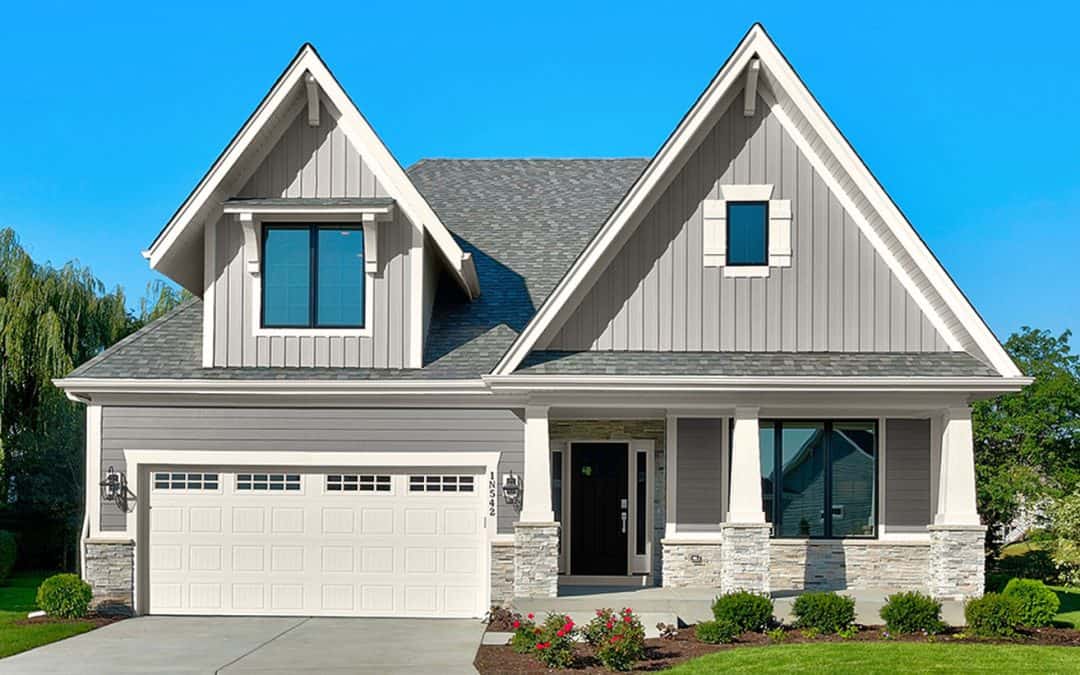
A good exterior paint job does more than freshen a house’s look.
It helps the home feel cared for. It sharpens curb appeal. It gives siding, trim, and doors a cleaner, more finished appearance. It also adds a layer of protection against the wear that comes with Anchorage weather.
That is why residential exterior painting should never be treated as only a color update. Campbell Painting’s residential exterior service page emphasizes preparation, climate-aware product choices, waterproofing, and working around homeowners’ schedules. In contrast, the company’s Anchorage exterior blog regularly highlights timing, prep, and surface-specific planning.
For Anchorage homes, siding, trim, and doors each have their own challenges. Siding covers the largest surface area and takes the full hit from weather exposure. Trim outlines the home’s details and often shows peeling or cracking first. Doors handle repeated use, changing temperatures, and daily direct contact.
If you are planning a home exterior update, the tips below will help you make better decisions before the project starts.
Start by Looking at Siding, Trim, and Doors as Separate Surfaces
One of the biggest mistakes homeowners make is treating the exterior as a single painted surface.
It is not.
Siding, trim, and doors each age differently and often require different levels of prep, product selection, and finish attention. Campbell Painting’s residential painting pages separate exterior walls from details like fences and waterproofing, and its service information shows that different exterior elements are treated according to their condition and function.
Siding may exhibit broad areas of fading, chalking, or weathering.
Trim may have cracking edges, open joints, or peeling near corners and seams.
Doors may show impact marks, hand contact wear, or stronger sun exposure than nearby surfaces.
A better residential exterior painting plan starts by reviewing each part separately.
That makes it easier to decide:
- what needs repair first
- where extra prep is needed
- which areas need more durable coatings
- where color contrast will have the most impact
Pay Close Attention to Prep Before Paint
Prep is one of the most important parts of exterior painting in Anchorage.
Campbell Painting’s residential exterior service page states plainly that preparation is one of the most important parts of exterior house painting. It warns that if prep steps are not handled properly, Alaskan conditions will win.
That matters because fresh paint does not fix failing surfaces.
If siding is dirty, if trim joints are opening, or if the old coating is peeling, those issues need to be addressed before the new paint goes on. Otherwise, the finish may not hold the way you want it to.
Prep can include:
- washing away dirt and surface buildup
- scraping loose paint
- sanding rough transitions
- checking for soft or damaged spots
- resealing gaps where needed
- priming bare or worn areas
This step is not the flashy part of the job, but it often makes the biggest difference in how the final result looks and how long it lasts.
Know What the Siding Needs Before Choosing Paint
Siding covers most of the exterior, so it usually shapes the project’s overall look.
It also takes the largest share of weather exposure. Campbell Painting notes that Anchorage exteriors need products that can hold their color through harsh winters and long summer daylight, and its recent Anchorage articles stress that timing and product selection should match local conditions.
Before choosing a color, inspect the siding itself.
Is the surface faded?
Is there chalking?
Are there areas where old repairs show through?
Does one side of the home weather faster than the others?
Does the material hold moisture longer in shade?
These details matter because the siding is the foundation of the overall visual plan. When siding is handled well, the rest of the project has a stronger foundation.
Treat Trim Like the Frame of the Home
Trim does a lot of visual work.
It outlines windows, doors, corners, fascia, and other edges that give the home shape. Even when people do not notice trim right away, they notice when it looks rough.
Peeling trim, cracked lines, and worn corners can make the whole exterior look older than it is.
That is why trim should not be treated like an afterthought. Campbell Painting’s exterior content emphasizes that climate, moisture, and prep all affect long-term performance, and its Anchorage exterior timing guidance says early fall can still be a strong period for trim and protected faces when conditions are watched closely.
Trim often needs more detailed prep than large wall areas because it has:
- more edges
- more joints
- more places where water can work in
- more visibility at eye level
A clean trim result helps the whole home look sharper.
Give Front and Side Doors Extra Attention
Doors may be smaller than siding, but they carry a lot of visual weight.
The front door often acts as a focal point. Side and back doors still matter because they see regular use and can quickly show wear. Paint on doors often encounters hand contact, movement, changing temperatures, and more direct rubbing than on most other exterior surfaces.
Because of that, doors should be evaluated differently from the surrounding walls and trim.
Ask:
- Is the current finish chipping around the edges?
- Does the door get strong direct sun?
- Are there dents or rough spots that need smoothing?
- Should the door match the trim, or act as a feature color?
Campbell Painting’s exterior service information emphasizes schedule awareness and homeowner convenience, which are especially important on door projects because entry points often require more careful sequencing than other surfaces.
A well-painted door can lift the whole exterior without changing much else.
Choose Colors That Work Together, Not Just Separately
A good exterior color plan is usually built around a relationship.
The siding should support the largest visual field. The trim should define the edges cleanly. The doors should either blend naturally or add a focused accent, depending on the home’s style.
Campbell Painting’s service pages note that homeowners can request product samples, and its Anchorage exterior content focuses on choosing systems and timing that fit the home rather than rushing into one-size-fits-all decisions.
A strong approach is to think in layers:
- siding as the main body color
- trim as the outline
- doors as either a matching detail or a small feature element
This helps keep the exterior balanced.
Too much contrast can make a home feel busy.
Too little contrast can flatten the details.
The right mix usually comes from the home’s architecture, roof tone, fixed stone or brick, and the amount of contrast that already exists on the property.
Test Colors in Real Exterior Light
Exterior paint samples often look different outside than they do on a screen or on a small fan deck.
That is especially true in Anchorage, where daylight conditions and exposure can shift a color’s appearance over time. Campbell Painting offers material samples and writes often about matching products and timing to local conditions, which supports testing before committing to a full repaint.
Test colors on the actual surfaces when possible.
Look at them:
- in direct sun
- in shade
- in the morning
- later in the day
- from the street
- next to the trim and door color options
This helps prevent surprises once the paint is spread across a larger area.
Schedule the Work for Anchorage Conditions
Timing matters in residential exterior painting.
Campbell Painting’s seasonal Anchorage guide focuses on timing because exterior projects depend on workable conditions, and its residential exterior service page ties quality results to proper prep and weather-aware execution.
That means the best time to paint siding, trim, and doors is not simply the first warm day of the year. The better window is when surfaces can dry properly, temperatures are more dependable, and the full prep-and-paint sequence has room to happen without being rushed.
In practical terms, homeowners should plan rather than wait until the exterior looks obviously worn.
Early planning gives you more room to:
- review problem areas
- choose colors carefully
- stage the work around your routine
- line up the project in a better seasonal slot
Think About Exposure on Each Side of the House
Not every side of the home behaves the same way.
One wall may get more sun. Another may stay shaded and hold moisture longer. One door may be sheltered. Another may face wind and weather directly.
Campbell Painting’s recent Anchorage prep and exterior planning articles both point to exposure, moisture, dew point concerns, and local conditions as real factors in how exterior coatings perform.
This matters because siding, trim, and doors may not all need the same schedule or the same level of prep on every side of the property.
Pay attention to:
- shaded faces
- lower sections near splash zones
- trim joints on weather-facing sides
- doors with more direct exposure
- areas that collect dirt faster than others
A better plan comes from observing these differences early.
Do Not Let Small Trim Failure Spread
Trim problems often start small.
A crack at a joint. A peeling edge near a window. A worn fascia corner. A thin split line where moisture begins to work into the surface.
These details are easy to ignore because they do not always dominate the full exterior view. But they can affect the finished look fast once the rest of the home is refreshed.
Campbell Painting’s Anchorage blog content on prep and timing repeatedly reinforces that surface condition should guide the work scope, especially on exposed exterior details.
When trim issues are handled early, the finished job usually looks cleaner and lasts better.
Use Door Color With Intention
A door color can be subtle or bold, but it should feel intentional.
Some homes look best when the front door blends with the trim for a quieter, more classic look. Others benefit from a deeper or richer door color that adds a focal point.
The key is to keep the choice in line with the rest of the exterior.
If the siding already has a strong contrast, a softer door may work better.
If the siding and trim are both understated, the door may be the one place where a little extra color makes sense.
Campbell Painting’s exterior pages focus on finished curb appeal and product selection rather than chasing random choices, which supports using door color as part of a clear overall plan.
Remember That Waterproofing Matters
Anchorage homes are prone to moisture, so waterproofing is a major part of exterior protection.
Campbell Painting’s residential exterior service page specifically calls waterproofing crucial in Alaska and says its painters have decades of experience applying waterproofing paints properly so they can withstand local conditions.
This matters for siding, trim, and doors because moisture-related wear does not always appear the same way.
Siding may show fading or uneven wear.
Trim may reveal cracking edges or failed joints first.
Doors may swell, peel, or wear around the edges and panels.
A smarter residential exterior painting plan keeps water resistance in mind from the start rather than treating it as a side issue.
Plan Around Entrances, Walkways, and Daily Use
Exterior painting affects how the home functions during the work.
That is especially true around doors, front steps, garage-adjacent access, gates, and common walkways. Campbell Painting says its crews are trained to accommodate homeowners’ needs while staying on time and within budget, which aligns with a schedule that respects how the property is used day to day.
Before work begins, think through:
- which door needs to stay active
- where foot traffic should go
- what furniture or décor needs to move
- where pets or children will access the yard
- how staged work can reduce disruption
This makes the project easier to live with while it is in progress.
Look Beyond Paint Alone When the Exterior Feels Tired
Sometimes homeowners focus only on wall color, even though the bigger issue is that multiple details are aging at the same time.
Maybe the siding has faded.
Maybe the trim has started to crack.
Maybe the front door no longer looks sharp.
Maybe all three are making the home feel more worn than it really is.
Campbell Painting’s exterior articles and service pages frame painting as both an aesthetic upgrade and a protective measure for Anchorage homes, especially in climates that accelerate wear over time.
When siding, trim, and doors are treated as one coordinated update, the result usually feels more complete.
Know the Signs It Is Time to Repaint
A home usually gives clear signals when the exterior needs attention.
Watch for:
- fading body color
- chalky residue
- peeling edges
- cracked trim lines
- worn door finish
- exposed patches
- uneven old touch-ups
- a general drop in curb appeal
Campbell Painting’s Anchorage articles on exterior planning and prep focus on surface wear, timing, and getting ahead of failures before they grow into larger problems.
If several of these signs appear together, it is usually time to start planning.
Keep the Whole Exterior Cohesive
Residential exterior painting works best when the house feels unified from a distance.
That does not mean everything must match. It means the siding, trim, and doors should look like they belong to the same plan.
Campbell Painting’s residential and area pages consistently position exterior painting as a way to improve curb appeal and protect the home from Anchorage conditions, which supports taking a connected, whole-home view rather than treating each surface as a separate decision.
A cohesive plan usually looks cleaner, ages better visually, and gives the home a more finished appearance.
Residential Exterior Painting in Anchorage
A strong residential exterior painting project does more than refresh color. It helps siding, trim, and doors work together to improve the home’s look while protecting the conditions Anchorage properties face.
The best results usually come from a few simple priorities.
Review each surface separately.
Handle prep carefully.
Choose colors that support each other.
Plan around exposure and timing.
Give trim and doors the same attention as the siding.
Campbell Painting’s residential exterior service page, seasonal timing guide, and Anchorage exterior blog posts all point in that same direction: better prep, better planning, and climate-aware decisions lead to better outcomes.
If your siding is fading, your trim is starting to peel, or your doors no longer look sharp, this is often the right time to begin planning the next exterior update.
FAQs
1. What parts of the home are included in residential exterior painting?
Residential exterior painting often includes siding, trim, doors, and other visible exterior surfaces, depending on the home and project scope.
2. Why is prep so important for exterior painting?
Prep helps paint bond better and last longer. Cleaning, scraping, sanding, and addressing worn areas before painting can make a major difference in the final result.
3. Should siding, trim, and doors all be the same color?
Not usually. Many homes look better when the siding acts as the main color, the trim defines the edges, and the doors either blend in or add a focused accent.
4. How do I know if my trim needs repainting?
Common signs include peeling edges, cracking lines, fading, exposed spots, and worn corners around windows, fascia, and doors.
5. Why do exterior doors need special attention?
Doors handle regular use, direct contact, and changing weather. Because of that, they often need careful prep and a finish plan that fits their exposure and function.

Ben Campbell is the proud owner of Campbell Painting LLC, a successful painting company based in Anchorage, Alaska. As a third-generation member of the painting industry, Ben has a deep-seated passion for his profession that started with his grandfather, who came to Alaska to sell paint. Born and bred in Alaska, Ben’s connection to his community is genuine and strong. Since 2006, he has been providing top-quality painting services, enhancing the beauty of Anchorage one building at a time. He also studied at Santa Barbara City College, solidifying his industry knowledge. Ben’s journey, including overcoming adversity, is a testament to his resilience and commitment to his craft, which is reflected in the success and reputation of Campbell Painting LLC.
Recent Comments