
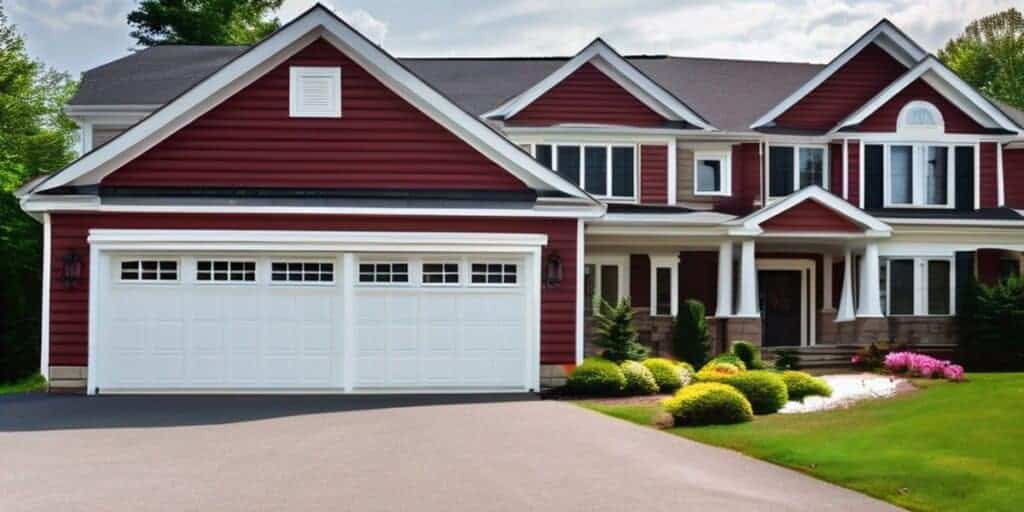
Many homeowners struggle to vet painters in Anchorage because you must weigh price against quality, verify licenses and insurance, and avoid weather-related delays; be alert to unlicensed contractors and lead paint hazards, insist on a clear written contract detailing prep, your timeline, and warranty, choose high-quality materials for lasting results, and demand thorough surface preparation to prevent peeling and costly repairs.
Key Takeaways:
- The short painting season and harsh local weather conditions affect scheduling, paint selection, and cure times—plan accordingly to account for temperature, humidity, and freeze risk.
- Thoroughly vetting contractors for licensing, insurance, local references, portfolios, and written warranties is a crucial step that can instill a sense of security and confidence in your choices. This diligence can help you avoid poor workmanship or liability issues, ensuring a smooth and successful painting project.
- Obtaining detailed written estimates that specify preparation work, paint quality, and potential additional costs is a key step that can help homeowners feel informed and in control of their budget. Testing colors and finishes can ensure long-term satisfaction, giving you peace of mind throughout the project.
Understanding the Importance of Professional Painting
Enhancing Curb Appeal
Fresh, professionally applied exterior paint transforms how your home presents online and in person; a well-executed color update can increase listing views and showings. In Anchorage, switching a tired facade to a contemporary palette often shortens days on market—one local example saw showings rise 35% and sale time drop from 42 to 12 days. Prioritize quality prep and color coordination to maximize that immediate visual impact.
Increasing Property Value
Professional painting delivers both cosmetic and protective benefits that buyers notice, with quality exterior jobs typically lasting 7–10 years and interior finishes preserving value between updates. You reduce visible wear, mitigate moisture intrusion, and present a move-in-ready property, all factors that can translate into higher offers and faster sales in competitive neighborhoods.
Going deeper, you should expect painters to address substrate issues—such as peeling, rot, or failing caulk—before topcoats are applied; failure to fix these can cost you $500–$2,500 later for trim or siding repairs. Choosing neutral, market-friendly colors often yields the best return. In one staging case, a neutral repaint, combined with minor touch-ups, resulted in an $8,000 higher final offer compared to the previous listing. A proper primer, two finish coats, and a documented maintenance history provide tangible evidence to present to appraisers and buyers, directly supporting your asking price.
Common Challenges Homeowners Encounter
Finding the Right Painter
You’ll need to vet painters by their license, insurance, and a portfolio of recent Anchorage work; uninsured contractors expose you to liability, and many complaints cite rushed preparation or poor edge work. Request at least three written bids, check three references for similar-size homes, such as a 1,500 sq ft home like yours, and insist on a small test patch so you can evaluate brushwork, color under local light, and cleanup standards before committing.
Budget Constraints
Typical exterior jobs for a 1,500 sq ft home often range from $3,000 to $8,000, and low bids frequently cut corners on preparation or primer; you should compare line-item estimates for labor, paint, and preparation so you know what’s being sacrificed. Ask for phased options—paint trim this season, siding next—to spread cost without compromising quality.
Labor typically accounts for roughly 60–70% of the final bill, with materials and preparation making up the rest. Premium paint can cost $30–$70 per gallon, compared to economy paint at $15–$25, but it lasts longer. Homes built before 1978 may require lead-safe work and testing, which adds certified abatement costs. Negotiate the scope, request written change-order pricing, and compare long-term costs—higher upfront paint quality often means fewer repaints over 10 years or more.
Timing and Scheduling
Peak season in Anchorage runs from June to August, and many reputable crews book 4–8 weeks in advance. Exterior painting of windows narrows further because most paints require temperatures above 50°F and low moisture to dry properly. Confirm start and completion dates in writing and plan around utility or deck work that can delay access. Be prepared for potential weather-related delays, which may extend the project timeline and necessitate adjustments to your living arrangements, including pets and furniture moves.
Prep can add several days: power washing, caulking, and carpentry repairs often extend timelines by 2–5 days on average for a medium home, while larger structural fixes add more. Coordinate with other trades, schedule interior rooms to minimize disruptions, and include a contract clause for weather-related delays with a revised timeline. This clause ensures that any delays due to weather or other unforeseen circumstances are accounted for, and a new timeline is agreed upon, thereby preventing open-ended schedules and facilitating planning for living arrangements, pets, and furniture moves.
Quality of Materials
Specifying 100% acrylic latex for exteriors and a high-quality enamel for trim is a decision that can reassure homeowners about the longevity of their investment. These premium products commonly advertise 10–15 years of service, compared to 3–5 years for economy lines, providing peace of mind about the durability gallon) the paint job.
Durability depends on pigment load, binder quality, and formulation for UV and mildew resistance—important in Anchorage’s variable sunlight and damp summers. Low-VOC options protect indoor air but may be more expensive; specify product names and warranties in the contract so you can hold the crew accountable for meeting performance expectations. A small upcharge for better paint often reduces repaint frequency and lifecycle cost.
Assessing Painters’ Qualifications
Licenses and Insurance
Verify that the contractor provides a valid license number and a current certificate of insurance that includes general liability coverage (typically $1,000,000) and workers’ compensation. Ask for the insurer’s name and policy dates so you can verify coverage, and require the COI to list you as an additional insured for the job. Missing or lapsed insurance can leave you personally liable for medical bills or repair costs after an accident.
Experience and Specialization
Demand proof of relevant experience, such as portfolios with at least 10 similar projects, client references, and documented examples of problem jobs—peeling cedar, chalking masonry, or trim restoration. Favor painters with 5+ years of experience handling Anchorage-style exteriors or interior specialties, such as vaulted ceilings. Crews familiar with log homes, multi-story scaffolding, or historic details will avoid common scope and access surprises.
Probe training and certifications: Ask if crews hold EPA RRP Lead-Safe certification for pre-1978 homes and whether they carry manufacturer certifications (e.g., Sherwin-Williams, Benjamin Moore) that can affect warranty coverage. Request specific preparation methods—such as power washing in the 1,200–2,000 PSI range, sanding grit ranges, and substrate primers for cedar, stucco, or metal—and review their timeline to ensure the products will cure within Anchorage’s short painting season.
Getting Accurate Estimates
The Importance of Detailed Quotes
Request line-item quotes that specify surface preparation, paint brand and sheen, number of coats, primer use, labor hours, and cleanup details. For example, a 2,000 sq ft exterior typically requires 40–60 gallons (approximately 350–400 sq ft/gal) and 3–5 crew days; lacking these details can conceal costs such as rot repair or extra primer.
Quote Breakdown
| Line Item | What to check |
| Surface prep | Power wash, scrape, caulk; hidden rot increases cost |
| Paint | Brand & sheen (coverage 350–400 sq ft/gal) |
| Coats | Primer + number of finish coats (bare wood often needs primer + 2) |
| Labor | Crew size, hours, days on site |
| Warranty | Length and what is covered (recoat, failure, or peeling) |
Comparing Estimates Effectively
Line up bids by scope, not just bottom-line price: if Estimate A is $6,500 and includes primer, two finish coats, and a 3‑year warranty, while Estimate B is $5,000 but excludes primer and prep, you likely face higher lifecycle costs with B. Verify payment schedules and determine whether change orders are billed on an hourly or per-item basis.
Estimate Comparison Checklist
| Item | Red flags / Positive signs |
| Price per sq ft | Compare after scope alignment; huge discrepancies often mean omitted work |
| Prep included | Positive: full prep listed. Red flag: “extra” for scraping or caulking |
| Paint brand & coats | Positive: named brand + coats. Red flag: “quality paint” vague |
| Timeline & crew | Positive: firm days and crew size. Red flag: open-ended timeline |
| Insurance & warranty | Positive: proof of insurance + written warranty. Red flag: uninsured or verbal promises |
Consider the long-term value: paying $1,200–$2,000 more for a bid that specifies premium acrylic paint and full prep often extends repaint cycles by 3–5 years, lowering annualized cost. Ask contractors for one or two past job references and compare photos—if one bidder shows consistent, tight edges and an even sheen. In contrast, another’s photos reveal drips and thin coverage, which often predicts performance more accurately than a cheap line item.
Navigating Contracts and Agreements
Understanding Contract Terms
Scan the contract for a clear timeline with start and completion dates, a detailed scope listing surface prep, primer, and number of coats, and a payment schedule (deposits above 50% are risky; 10–30% is common). Verify contractor license, insurance limits, and a written warranty length (typical workmanship warranties run 1–5 years). Watch for vague scope language or missing insurance—those are frequent sources of disputes.
Clauses to Look Out For
Watch for change-order language that allows open-ended price increases, one-sided indemnity or hold-harmless clauses shifting liability to you, mandatory arbitration that limits court access, and automatic renewal or assignment provisions. Also, flag clauses about subcontractor use, liquidated damages, and lien waivers tied to partial payments. Avoid contracts that allow the contractor to alter the price or scope without your written approval.
Negotiate specific protections: cap change orders at a percentage (for example, 10% of the contract value), require certificates of insurance naming you as an additional insured, and retain 10% of the contract value until the punch list is complete. Ask for a written workmanship warranty (e.g., 2 years), a 7–14 day cure period before termination, and a final lien waiver upon full payment. If an arbitration clause is to remain, consider carving out small-claims court or requiring mediation first to keep dispute costs reasonable.
Ensuring Effective Communication
Setting Clear Expectations
Define start and completion dates, daily work hours, cleanup frequency, and payment milestones in writing; typical exterior jobs in Anchorage run 3–7 days, while interior rooms often take 1–3 days per room. Specify paint brands, the number of coats, and a warranty period (commonly 2–5 years) to avoid disputes over finish, touch-ups, or weather-related delays during shoulder seasons.
Discussing Changes and Modifications
Require written change orders that list the scope, cost estimate, and timeline impact. Contractors often bill for change work at $50–$150/hour or a flat fee of $200–$800. A late color swap after priming can add several hundred dollars. Stipulate approval windows (e.g., 48 hours) so you control costs and scheduling.
Include protocols for unexpected findings: homes built before 1978 may require lead testing ($150–$300) and abatement (commonly $1,000+), which can extend timelines and increase costs. One Anchorage homeowner in Turnagain avoided a $1,200 dispute by enforcing written change orders and a 48-hour approval clause, demonstrating how concrete rules protect your budget and schedule.
Summing up
Now you must weigh licensing, insurance, clear estimates, color selection, scheduling around Anchorage’s weather, and contractor reputation to avoid delays, hidden costs, or poor workmanship. Request written contracts, verify references and permits, and prioritize clear communication and realistic timelines to ensure your project finishes on budget and yields lasting results.
FAQ
Q: How can I verify a painter’s licensing, insurance, and reliability in Anchorage?
A: Ask for the contractor’s business license and any applicable contractor registration, then verify those numbers with Alaska’s licensing authority. Request a certificate of insurance (general liability and, if applicable, workers’ compensation) and call the insurer to confirm coverage and dates. Check at least three recent references and inspect photos of finished jobs, or visit nearby sites if possible. Review online ratings (BBB, Yelp, Google) but prioritize direct references. Insist on a written contract that lists scope, materials, schedule, payment terms, and change-order procedures.
Q: How does Anchorage’s weather affect exterior paint choice and project timing?
A: Anchorage’s short warm season and rapid temperature shifts limit exterior painting windows. Most paints require a minimum dry temperature (often around 50°F) and several hours of dry conditions to cure; high humidity, rain, frost, or rapid cooling can prevent proper adhesion and lead to failures. Use products rated for cold-climate application and UV/moisture resistance; ask painters about low-temperature primers or fast-curing formulations. Plan projects for late spring through early fall, build weather contingency days into the schedule, and avoid tight timelines that leave no margin for weather delays.
Q: What should I compare between written estimates to avoid hidden costs or poor quality?
A: Require detailed, itemized written estimates that list surface preparation (power wash, scraping, sanding), repairs (rot replacement, caulking), number of coats, paint brands and colors, primer type, trim and accessory work, cleanup and disposal, permits and taxes. Compare labor hours, rates, and whether materials are included. Beware very low bids; they often omit prep or use cheaper paint. Agree on a clear payment schedule (small deposit, progress payments tied to milestones, final payment on completion) and require all changes to be documented as written change orders.
Q: How should lead paint, surface preparation, and wood rot be handled on older Anchorage homes?
A: If the home was built before 1978, test for lead-containing paint before sanding or demolition. Federal EPA RRP rules require certified contractors and lead-safe work practices for renovations disturbing lead-based paint in pre-1978 homes; confirm the painter’s certification if applicable. Proper surface preparation includes removing loose paint, addressing rot (by replacing or repairing the wood), feather-sanding old edges, cleaning, and using appropriate primers. Containment, HEPA vacuums, and safe debris disposal prevent contamination. Include these steps and their associated costs in the contract.
Q: What warranties, communication practices, and cleanup standards should I require?
A: Request a written warranty that specifies coverage (workmanship vs. materials), duration, and procedures for addressing defects such as peeling or blistering. Clarify who is responsible for the manufacturer’s paint warranties and how color fading is handled. Establish a single point of contact, a written schedule with milestones and expected daily work hours, and a process for reporting and approving changes. Require protection of landscaping and fixtures, daily site cleanup, final HEPA vacuuming if sanding occurred, and a formal final walkthrough with a punch list and signed acceptance before final payment. Request lien releases and receipts for subcontractors if required.

Ben Campbell is the proud owner of Campbell Painting LLC, a successful painting company based in Anchorage, Alaska. As a third-generation member of the painting industry, Ben has a deep-seated passion for his profession that started with his grandfather, who came to Alaska to sell paint. Born and bred in Alaska, Ben’s connection to his community is genuine and strong. Since 2006, he has been providing top-quality painting services, enhancing the beauty of Anchorage one building at a time. He also studied at Santa Barbara City College, solidifying his industry knowledge. Ben’s journey, including overcoming adversity, is a testament to his resilience and commitment to his craft, which is reflected in the success and reputation of Campbell Painting LLC.
Recent Comments