
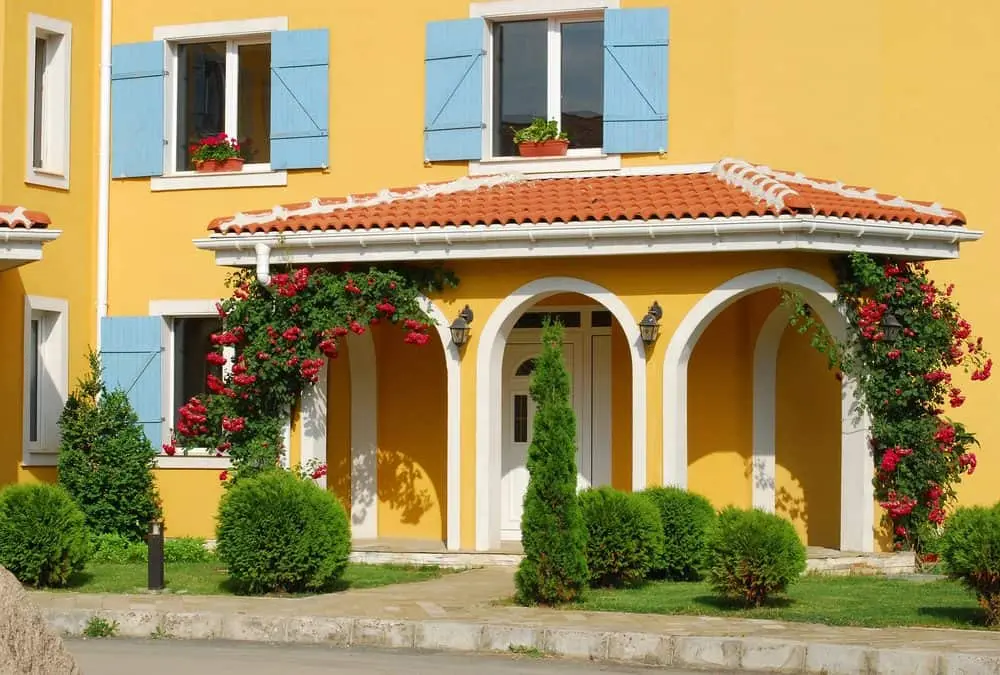
Residential Exterior Painting in Anchorage isn’t just about picking a nice color and rolling it on. Between moisture, wind, freeze-thaw cycles, and those “all four seasons in a week” moments, your exterior paint has to do real work.
This guide walks you through a smart, durable approach—from planning and prep to product choices and maintenance—so your home looks sharp and stays protected. Along the way, I’ll also point out where homeowners in Abbott Loop, Bayshore-Klatt, Downtown, Government Hill, Huffman-O’Malley, Midtown, Mid-Hillside, Rabbit Creek, and Sand Lake tend to run into different exterior challenges (sun exposure, salt air, wind, or shade).
If you want professional help at any point, Campbell Painting offers dedicated Residential Exterior Painting services in Anchorage, and you can learn more here:
https://paintingalaska.com/services/residential-painting-anchorage/exterior-painting/
Why Residential Exterior Painting matters so much in Anchorage
A good exterior paint job does two things at the same time:
- Makes your home look clean, updated, and cared for
- Adds a protective shell against water intrusion, UV, and wear
In Anchorage, that protection piece is huge. When paint fails, it rarely fails politely. You’ll often see:
- Hairline cracking that turns into peeling
- Soft, dark areas where moisture keeps soaking the surface
- Staining or mildew on shaded walls
- Bare wood or exposed siding edges where water can start trouble
A well-planned Residential Exterior Painting project is basically a home protection upgrade—with curb appeal as a bonus.
The biggest factors that affect exterior paint life in Anchorage
Anchorage has a mix of conditions that can shorten paint life if they aren’t planned for:
1) Freeze-thaw cycles
Water sneaks into tiny gaps. It freezes, expands, and pushes paint away from the surface. That’s why prep and sealing matter so much.
2) Moisture and shade
North-facing walls and areas blocked by trees often stay damp longer. That’s where you’ll see mildew spots, algae staining, and early breakdown.
3) Wind and airborne grit
Wind-driven dust can act like sandpaper over time—especially on exposed sides of the home.
4) Summer sun and UV
Even in cooler climates, UV still breaks down binder and pigments. South- and west-facing walls tend to fade first.
Different neighborhoods can lean into different issues. Homes near the coast-facing side of the city often deal with more moisture and wind. Hillside homes may face stronger winds and sharper weather swings. In tighter city areas, you may have more shade patterns from nearby buildings.
Key benefits of Residential Exterior Painting
Here’s a quick snapshot of what a well-done exterior paint job delivers—especially when it’s built for Anchorage conditions.
| Benefit | What it means for your home | Why it matters in Anchorage |
|---|---|---|
| Weather barrier | Helps block moisture and slows siding wear | Moisture + freeze-thaw is a tough combo |
| Better curb appeal | Fresh color, crisp trim lines, cleaner look | Makes a big impact fast without remodeling |
| Longer siding life | Reduces rot risk and surface breakdown | Protects wood and vulnerable edges |
| Easier maintenance | Quality coatings shed dirt better | Wind and grime build up over time |
| Value and pride | Your home looks cared for | Buyers and neighbors notice condition |
The planning checklist before you paint
If you’re aiming for results that hold up, use this checklist before anyone opens a can.
Confirm what you’re painting
Different surfaces need different prep and products:
- Wood siding or trim
- Fiber cement
- Vinyl (yes, it can be painted—with the right setup)
- Metal railings, doors, or flashing
- Stucco or masonry accents
A common reason paint fails is using the right paint… on the wrong surface prep.
Walk the exterior and list problem spots
Take a lap around your home and note:
- Peeling areas
- Soft or dark wood
- Gaps around windows/doors
- Cracked caulk lines
- Rust on metal
- Chalky residue (paint “dust” when you rub it)
This list becomes your scope. And in Anchorage, prep is the project more than the painting is.
Decide your goals
Be clear about what you want:
- Keep the same color, just refresh
- Shift to a new color scheme
- Change trim contrast for a cleaner look
- Reduce glare (lower sheen)
- Hide minor siding imperfections (appropriate sheen choice)
Timing: when Residential Exterior Painting works best in Anchorage
Exterior painting is all about surface conditions, not the calendar.
Good painting windows typically align with:
- Dry surfaces
- Mild temperatures
- Low chance of rain within the cure window
- Calm wind (or at least manageable)
Instead of guessing, aim to paint when:
- The surface is fully dry (not just “looks dry”)
- Overnight temps won’t drop too low
- You can protect fresh paint from sudden weather shifts
If you’re coordinating an exterior project around family schedules or travel, it’s smart to plan early and build in flexibility—Anchorage weather doesn’t always follow the plan.
Prep work that makes the difference
If you remember one thing from this guide, make it this: good prep makes paint stick.
Washing: not optional
Exteriors collect:
- Dust
- Pollen
- Soot
- Mildew spores
- Salt residue in certain conditions
If those stay on the surface, paint bonds to grime—not to siding.
A proper wash (done safely and correctly) helps coatings adhere and look even. Over-aggressive pressure can damage siding or drive water behind it, so it has to be handled with care.
Scraping and sanding
Any loose or peeling paint has to come off. Painting over it just hides the problem for a short time.
After scraping:
- Feather the edges so the transition is smooth
- Sand where needed so you don’t see ridges through the finish
This step is where you earn that clean “painted by pros” look.
Repairs before paint
Paint won’t fix:
- Rotten wood
- Loose boards
- Failed trim joints
- Water-damaged corners
Replace or repair those first. If water is getting in, stop the path—then paint.
Caulking and sealing
Good caulk work is like weatherproofing detail.
Focus on:
- Trim joints
- Siding gaps that should be sealed
- Window and door trim transitions
Avoid sealing areas that are meant to breathe or drain (like certain weep paths). That’s why experience matters—over-caulking can create moisture traps.
Priming: where it actually counts
Prime:
- Bare wood
- Exposed patches after scraping
- Stained areas
- Repairs and fillers
Skipping primer is one of the fastest ways to get uneven sheen, flashing, or early peeling.
Choosing paint and sheen for Anchorage exteriors
Not all exterior paints perform the same, even if the label says “exterior.”
What to look for in exterior paint
You want products designed for:
- Strong adhesion
- Moisture resistance
- Flexibility (to handle expansion and contraction)
- UV stability
- Mildew resistance (especially on shaded sides)
A quality paint system often includes:
- Proper primer (where needed)
- High-quality topcoat
- Correct number of coats
Sheen tips: don’t overthink, but don’t ignore
- Flat/matte hides flaws but can hold dirt more
- Satin is a popular balance for siding
- Semi-gloss is common for trim and doors because it cleans well
For older siding with small imperfections, a slightly lower sheen can look more even. For crisp, newer trim, a slightly higher sheen can look sharp.
Color selection that looks good longer
Anchorage light can be different from what you’re used to—soft daylight, long summer evenings, and snow glare can all change how a color reads.
A few practical color tips
- Test samples on multiple sides of the home
- Look at samples in morning, afternoon, and evening
- Consider how trim color changes the “temperature” of the main color
- Be cautious with extremely dark colors on surfaces that get strong sun
Darker colors can look amazing, but they may show wear faster on high-exposure walls. If you love a bold look, consider using it on accents or the front door rather than the entire siding.
A step-by-step look at a solid exterior painting process
A durable Residential Exterior Painting job usually follows a consistent flow:
- Protect landscaping, walkways, and fixtures
- Wash and treat mildew as needed
- Scrape loose paint and sand transitions
- Repair damaged areas (trim, boards, small patching)
- Caulk and seal appropriate joints
- Prime bare or repaired sections
- Apply topcoats (usually two coats for best coverage)
- Detail trim, doors, and edges carefully
- Final walk-through and touch-ups
The “secret” is consistency. Skipping steps to go faster almost always shows up later.
Neighborhood notes: how Anchorage service areas can differ
Every house is unique, but certain patterns show up across Anchorage.
Abbott Loop
A lot of homes here have mature landscaping and shade lines. Watch for areas where moisture lingers and plan for mildew-resistant coatings. If you’re in the area, Campbell Painting serves Abbott Loop: https://paintingalaska.com/painters-abbott-loop-anchorage/
Bayshore-Klatt
You can see more wind and moisture exposure in pockets of this area. Pay attention to how your home handles driving rain and make sure vulnerable edges are sealed correctly. Service info: https://paintingalaska.com/painters-bayshore-klatt-anchorage/
Downtown
Downtown homes can have tighter spacing and more shadowing from buildings. Sides of the house may dry slower, and ladders/access can be more technical. Service info: https://paintingalaska.com/painters-downtown-anchorage-ak/
Government Hill
Older homes often mean more layers of paint, more trim detail, and more repair needs. Prep work tends to take longer here, but the results can be dramatic when done well. Service info: https://paintingalaska.com/painters-government-hill-anchorage-ak/
Huffman-O’Malley
You can get a mix of wind exposure and sun patterns depending on the lot. Make sure you test colors on multiple sides and plan for strong adhesion on weathered surfaces. Service info: https://paintingalaska.com/painters-huffman-omalley-anchorage/
Midtown
Midtown homes often have a wide range of siding types. The key is matching the right prep and coating system to what you actually have—not what you think you have. Service info: https://paintingalaska.com/painters-midtown-anchorage-ak/
Mid-Hillside
Hillside exposure can mean stronger wind and faster weather changes. That makes timing and cure windows extra important. Service info: https://paintingalaska.com/painters-mid-hillside-anchorage/
Rabbit Creek
You may see bigger lots, more trees, and heavier shade on certain elevations. Plan for cleaning, mildew resistance, and attention to north-facing walls. Service info: https://paintingalaska.com/painters-rabbit-creek-anchorage/
Sand Lake
Moisture and wind can be factors, and some properties have complex exterior features (decks, rails, accents). Strong prep and a durable finish system pay off. Service info: https://paintingalaska.com/painters-sand-lake-anchorage/
Even if you’re not sure which area description fits your home, the takeaway is the same: build your paint plan around your exposure—sun, shade, wind, and moisture.
Common exterior painting mistakes to avoid
These are the mistakes that most often lead to peeling, uneven finish, or “why does it look worse now?”
Painting over damp surfaces
Paint needs a dry surface to bond. If siding feels cool and damp, it’s not ready.
Skipping primer on bare or repaired areas
This causes uneven sheen and weak adhesion.
Ignoring small gaps
Tiny cracks become water paths. Good caulking prevents bigger repairs later.
Using the wrong sheen
Too glossy can highlight imperfections. Too flat can hold dirt in high-traffic areas.
Rushing cure time
A surface can feel “dry” but still be curing. Weather changes during cure can affect durability.
How to keep your exterior paint looking good longer
Once your home is freshly painted, a little upkeep goes a long way.
Quick seasonal habits
- Rinse dusty or grimy areas as needed
- Watch for sprinklers hitting siding repeatedly
- Trim vegetation that keeps walls damp
- Check caulk lines yearly around windows and doors
Spot-fix before it spreads
If you see a small peel starting, don’t wait a full season. Small touch-ups prevent water from getting behind larger areas.
Keep an eye on the “tough zones”
Most homes have recurring trouble spots:
- Bottom edges of siding near splash zones
- Horizontal trim ledges
- Areas under gutters
- North-facing walls
- Around exterior doors
When to call Campbell Painting for Residential Exterior Painting
If your exterior has:
- Widespread peeling
- Old layers that need careful removal
- Repairs needed before paint
- High or complex access points
- A tight weather window you can’t risk missing
…bringing in a professional team can save you time and reduce the risk of rework.
If you’d like to see what Campbell Painting offers for Residential Exterior Painting in Anchorage, this page breaks it down:
https://paintingalaska.com/services/residential-painting-anchorage/exterior-painting/
A simple “ready-to-paint” checklist you can use today
Walk around your home and check:
- Paint condition: peeling, cracking, flaking
- Wood health: soft spots or dark staining
- Caulk: gaps at trim joints and corners
- Moisture: persistent dampness on shaded walls
- Mildew: green/black spotting in low-sun zones
- Access: steep areas, high gables, tricky ladders
If you’re seeing multiple red flags, your project may need more prep time than you expect—and that’s normal in Anchorage.
FAQs about Residential Exterior Painting in Anchorage
1) How often should I repaint my home exterior in Anchorage?
It depends on exposure (sun, wind, moisture), surface type, and how solid the last prep work was. Homes with heavy weather exposure or poor prep history typically need attention sooner than sheltered homes.
2) Can I paint over old exterior paint?
Yes—if the existing paint is stable. Loose or failing paint must be scraped and sanded, and bare or repaired areas should be primed so the new coating bonds properly.
3) What’s the biggest reason exterior paint peels?
The most common causes are moisture issues, painting over dirty/damp surfaces, and skipping proper prep steps like scraping, sanding transitions, and priming.
4) Do I need to pressure wash before painting?
You need the surface clean. Many exteriors benefit from washing, but it must be done correctly to avoid damaging siding or forcing water behind it. The right approach depends on your surface and condition.
5) How do I choose exterior colors that won’t look “off” in Anchorage light?
Test samples on multiple sides of the home and check them at different times of day. Anchorage lighting and seasonal changes (including snow glare) can make colors read differently than expected.

Ben Campbell is the proud owner of Campbell Painting LLC, a successful painting company based in Anchorage, Alaska. As a third-generation member of the painting industry, Ben has a deep-seated passion for his profession that started with his grandfather, who came to Alaska to sell paint. Born and bred in Alaska, Ben’s connection to his community is genuine and strong. Since 2006, he has been providing top-quality painting services, enhancing the beauty of Anchorage one building at a time. He also studied at Santa Barbara City College, solidifying his industry knowledge. Ben’s journey, including overcoming adversity, is a testament to his resilience and commitment to his craft, which is reflected in the success and reputation of Campbell Painting LLC.
Recent Comments