
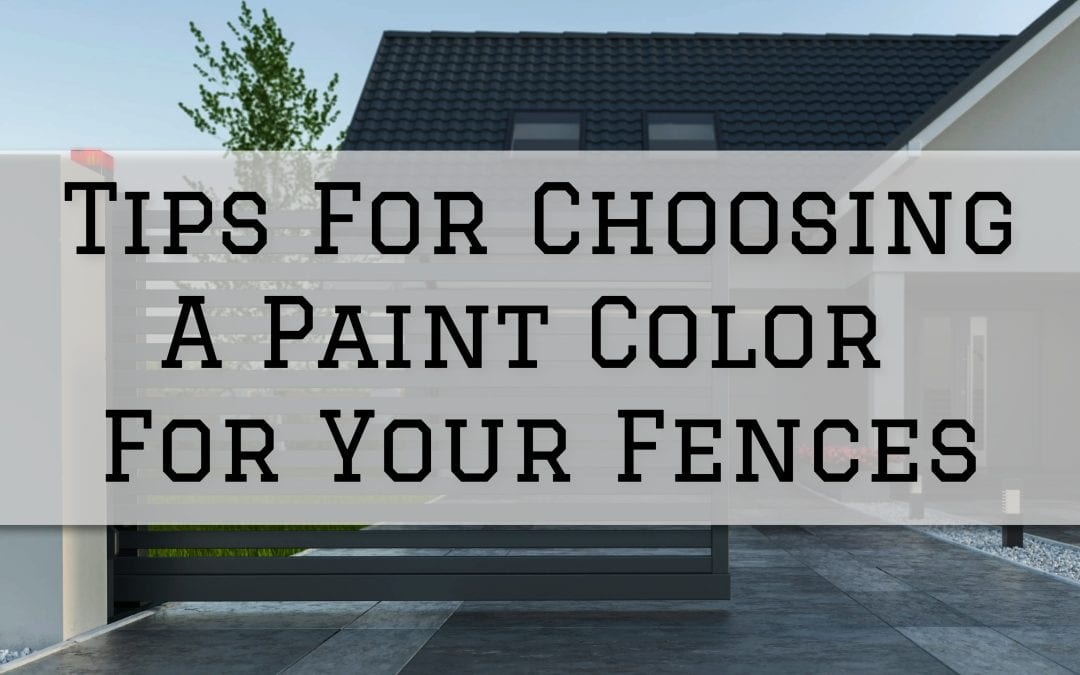
For most painting projects, choosing a paint color that goes well with the surface you’re planning to paint is one of the most important decisions you will have to ponder and think about.
To ensure that you end up with the best possible choice, there are several factors and considerations that could guide you in making your decision.
So, if you are currently looking for tips on deciding on a paint color to use for your upcoming fence painting project, here’s something you should read.
To help you in your decision, here are Tips For Choosing A Paint Color For Your Fences.
1. Consider Natural Lighting

2. Look At The Colors Present Around Your Exterior
Exactly! Considering the existing colors and design elements around your exterior is key to making sure that your new fence color complements and enhances your home’s overall look. By coordinating the paint color with the surrounding features, you can create a cohesive, aesthetically pleasing design that ties everything together.
Here’s how you can approach this process:
1. Assess the Dominant Colors in Your Exterior:
Take a walk around your property and note the colors that are most prominent. Pay attention to:
- Your Home’s Exterior: The color of your house, trim, roof, and doors are the primary elements that will impact the look of your fence. You don’t want a fence color that clashes with your house’s color scheme.
- Landscaping Elements: Look at your garden, lawn, flowers, shrubs, and any hardscaping (like pathways or stone walls). A fence color that works well with the natural greens, browns, or floral hues can create a harmonious environment.
- Existing Fencing or Features: If you already have other fences, gates, or railings, you’ll want to choose a color that either matches or complements them to avoid having too many conflicting hues in your yard.
2. Choose a Color That Complements Your Home’s Palette:
- Neutral Tones: If your home has a bold or unique color, you might want to go with a more neutral fence color, like white, gray, or black, so the fence doesn’t compete with your house.
- Warm or Cool Undertones: If your home has warm tones (like red brick or earthy hues), you may want a warmer fence color (like tan, brown, or rust). For homes with cooler tones (like blues, grays, or silvers), a cool-toned fence (such as navy, charcoal, or light gray) might be a better match.
- Coordinating with Landscaping: Consider how your fence will look against the backdrop of your garden or yard. For example, a green fence might blend well with a lush, green garden, while a white or wood-toned fence could stand out nicely against colorful flowers or plants.
3. Create a Color Scheme:
If you’re unsure about how to coordinate the colors, you can try using a color wheel or look for color palette generators online. Some common methods include:
- Monochromatic Scheme: Use variations of the same color for a unified look (e.g., a dark blue fence with light blue trim or accents).
- Analogous Scheme: Choose colors that are next to each other on the color wheel for a harmonious, blended feel (e.g., green, yellow-green, and yellow).
- Complementary Scheme: Use colors that are opposite each other on the color wheel for more contrast (e.g., blue and orange or red and green).
4. Consider the Mood You Want to Create:
Different colors evoke different feelings. Think about the mood you want your outdoor space to have:
- Warm Colors (Red, Yellow, Orange): Create a cozy, inviting, and energetic atmosphere.
- Cool Colors (Blue, Green, Purple): Offer a calm, peaceful, and serene feel.
- Neutral Colors (White, Gray, Black, Beige): Provide a timeless, sophisticated look, and they pair well with almost anything.
5. Look for Inspiration and Professional Advice:
- Design Inspiration: Check online for inspiration from home improvement sites, Pinterest, or Instagram to see how other homeowners have matched their fence colors with their homes.
- Professional Advice: If you’re still unsure, don’t hesitate to reach out to a local paint professional or a color consultant. They have a trained eye and can provide personalized suggestions based on your home’s features and your aesthetic preferences.
6. Consider Maintenance:
Keep in mind the long-term maintenance of your chosen color. Darker colors (like deep blues or browns) tend to show dirt and stains more easily, while lighter colors (like white or light gray) may need more frequent cleaning to keep them looking fresh.
7. Test Paint Samples:
Once you’ve narrowed down a few options, test out the paint samples directly on the fence or a small section of it. Seeing how the color interacts with your surroundings in natural light can help you make a final decision.
3. Be Creative With Your Decisions
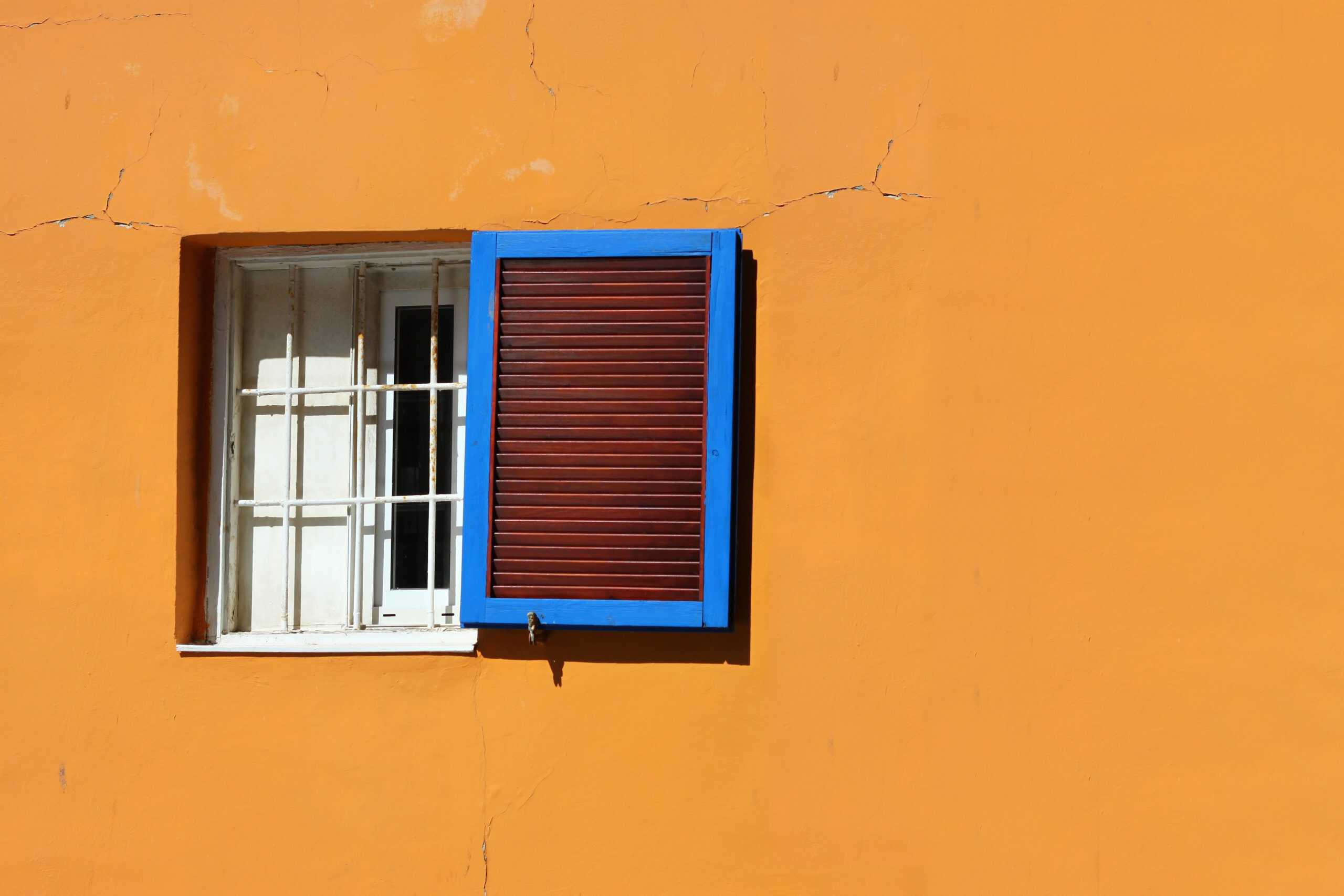
Absolutely! While black and white are classic and reliable choices for fence colors, there’s no reason you can’t get creative and explore other colors that will give your fence personality and flair.
Here are some fun and unique color ideas to consider for your fence that will make it stand out:
1. Earthy Tones:
Earthy shades like deep greens, browns, or terracotta can create a natural, warm vibe that blends beautifully with the environment. These tones are especially great for gardens, rustic homes, or properties surrounded by trees and plants. They’ll make your fence feel like it’s part of the natural landscape.
2. Pastels:
Soft pastel colors like light blue, mint green, or soft lavender can give your fence a charming and whimsical look. These colors are perfect for adding a touch of lightness and cheer to a garden, especially in areas with a lot of flowers or colorful landscaping. They also work well for a more modern or coastal vibe.
3. Bold Colors:
If you want your fence to make a statement, go for bold, vibrant colors like red, orange, or turquoise. These colors will definitely stand out and create a lively contrast against the greenery of your yard. A bright red or orange fence can evoke warmth and energy, while a bold blue or teal gives a sense of tranquility and creativity.
4. Darker Shades:
Darker shades like charcoal gray, navy blue, or even deep green give your fence a sophisticated and sleek look. These colors work well for modern or contemporary homes, adding a sense of elegance and drama. Dark fences can also make your outdoor space feel more intimate, as they tend to blend in well with surrounding landscapes.
5. Two-Tone or Contrasting Colors:
For a truly unique look, consider going for a two-tone fence. You could paint the main fence in one color and the posts or the horizontal rails in a contrasting color. For example, you could pair a light gray fence with black posts or paint the top portion of the fence a bold color and leave the bottom neutral. This can create a stylish and dynamic look.
6. Light and Bright Neutrals:
If you love the simplicity of traditional black or white but want something a little more dynamic, try light neutrals like beige, light gray, or taupe. These shades are still very versatile and clean but give your space a softer and more natural feel compared to stark white or deep black.
7. Stained Wood:
If you prefer a more natural, organic look, you might opt for staining your wood fence instead of painting it. Stains come in a variety of colors, from rich mahogany to golden oak, and enhance the wood’s natural texture. This gives your fence a timeless, rustic appeal while still offering protection and durability.
8. Custom Patterns or Designs:
Feeling extra creative? You could go beyond solid colors and add patterns or designs to your fence, like horizontal stripes, chevron patterns, or even stenciled designs. This is a fun way to make your fence an eye-catching, artistic feature of your property.
How to Choose the Right Color:
-
Match the Mood: Think about the mood or atmosphere you want to create in your yard. Do you want a peaceful retreat, a lively gathering space, or something that feels modern and sophisticated?
-
Consider Your Home’s Style: The color of your fence should complement the style of your house. A bold, modern home may look great with a bright-colored fence, while a classic colonial-style house might pair better with a neutral or natural-toned fence.
-
Look at the Surrounding Landscape: Your fence color should coordinate with your garden or surrounding greenery. Lighter shades can make plants and flowers pop, while darker tones may create a more striking contrast against green plants.
-
Test the Color: Before committing to a color, try a few samples on a small patch of your fence. This will give you a better idea of how it will look in different lighting and how it complements your home and landscaping.

4. Choose A Paint Color You Actually Like

5. Test The Paint Color Before Committing
Exactly! Testing your paint colors before committing to the entire project is a critical step that will save you from potential disappointment later on. It’s easy to imagine how a color will look in your head, but the actual outcome can be very different once applied to the surface, especially with the lighting, surroundings, and the material of your fence.
Here’s how you can effectively test your paint colors before making a final decision:
1. Use Small Sections:
Pick a small, discreet portion of your fence — maybe an area that’s not immediately visible or a small spot that won’t affect the overall aesthetics if you decide to change it later. Apply your test colors in sections, allowing each to dry completely before moving on to the next. This way, you can compare them side by side.
2. Consider Lighting:
Remember, natural lighting can make a huge difference in how the color will appear. A color that looks bright and vibrant under artificial light can appear completely different in daylight. Try testing your paint at different times of the day to see how it reacts to the light in your environment. This will help you get a more accurate idea of how the color will look over time.
3. Look at the Color in Context:
Once you’ve applied the samples, step back and take a look at the bigger picture. Observe how the colors interact with your home’s exterior, landscaping, and any other nearby features. Does the color complement or contrast nicely with the rest of the elements around it? Will it stand out in a way you like, or does it blend too much into the background?
4. Assess the Texture:
Keep in mind that the texture of your fence can affect the way the paint looks. If your fence has a rough texture, it might cause the paint to appear darker or more textured than you anticipated. Testing it first will give you a better idea of how the paint will behave on your fence’s specific surface.
5. Evaluate the Finish:
The finish you choose (matte, satin, semi-gloss, etc.) can also affect the appearance of the color. For instance, a glossy finish might make colors pop, while a matte finish can create a more subtle effect. Test the finishes as well, so you can be sure of how the paint will look with the sheen you’ve chosen.
6. Take Photos:
Sometimes, it’s difficult to remember how a color looked once you’ve moved on to other tasks. Take photos of each test area so you can compare them later and decide which one stands out the most.
7. Give Yourself Time:
If possible, let the test patches sit for a day or two before making a final decision. Sometimes, the paint can look different once fully dried, so it’s good to give it some time to settle.
By testing your paint colors first, you’ll be able to avoid regret and ensure that the final result is exactly what you envision. It’s an extra step, but it’s well worth it when you’re creating a long-lasting, beautiful finish for your fence that you’ll enjoy for years to come.

If you need professional help with your interior/exterior painting, Campbell Painting is here for you.
Our interior/exterior painting and washing services are available in Anchorage, AK.
Call us today at (907) 444-3657 for a FREE painting estimate.
Related: Tips For Choosing A Paint Color For Your Kitchen in Anchorage, AK
Kitchen Painting Preparation Tips You Should Know in Anchorage, AK

Ben Campbell is the proud owner of Campbell Painting LLC, a successful painting company based in Anchorage, Alaska. As a third-generation member of the painting industry, Ben has a deep-seated passion for his profession that started with his grandfather, who came to Alaska to sell paint. Born and bred in Alaska, Ben’s connection to his community is genuine and strong. Since 2006, he has been providing top-quality painting services, enhancing the beauty of Anchorage one building at a time. He also studied at Santa Barbara City College, solidifying his industry knowledge. Ben’s journey, including overcoming adversity, is a testament to his resilience and commitment to his craft, which is reflected in the success and reputation of Campbell Painting LLC.
Recent Comments