
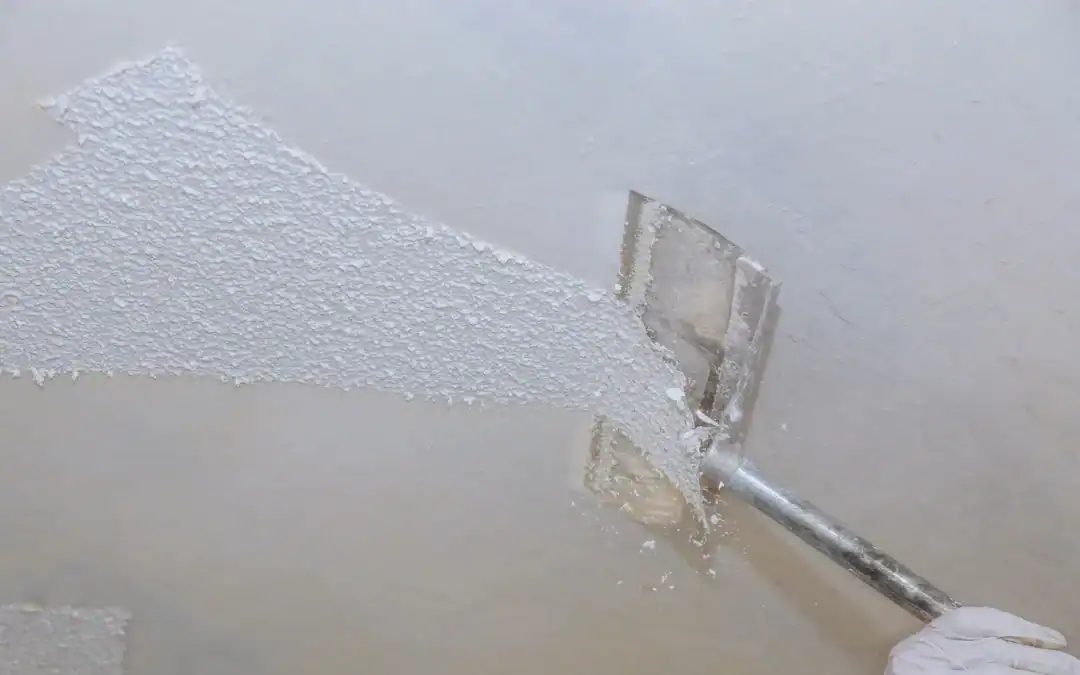
Why Many Anchorage Homeowners Want Popcorn Ceilings Removed
Popcorn ceilings were once a common choice in many homes.
The texture helped hide small ceiling flaws, added visual interest, and made installation easier in busy building seasons. Over time, though, many homeowners have started to see popcorn ceilings differently.
They can make a room look older than it really is.
They can collect dust.
They can cast shadows that make ceilings look darker.
They can also be difficult to patch neatly after leaks, cracks, or ceiling repairs.
That is why many homeowners start looking into popcorn ceiling removal in Anchorage when they want a cleaner, smoother, and more updated interior.
Removing the texture can make a room feel brighter and more open. It can also help the ceiling blend better with newer paint colors, modern lighting, and updated trim.
Still, popcorn ceiling removal is not just about scraping the texture off the ceiling. It takes planning, protection, surface care, repairs, and the right finishing process.
When done properly, the result can make a major difference in how the whole room feels.
What Is a Popcorn Ceiling?
A popcorn ceiling is a textured ceiling finish with a raised, bumpy surface.
It may also be called acoustic texture, cottage cheese texture, or stippled ceiling texture. The look can range from a light texture to a thick, heavy buildup.
Some popcorn ceilings are painted. Others are unpainted. Some have been repainted several times over the years.
That matters because painted texture is usually harder to remove than unpainted texture. Paint can seal the surface, making it more resistant to moisture during removal.
A ceiling may also have hidden repairs, stains, seams, cracks, or uneven drywall underneath the texture. Once the popcorn finish is removed, those issues may become visible.
This is why homeowners should understand the full process before starting.
The goal is not only to remove the old texture. The goal is to leave the ceiling smooth, stable, and ready for a fresh finish.
Why Popcorn Ceiling Removal in Anchorage Requires Care
Homes in Anchorage deal with long winters, indoor heating, seasonal moisture, and changing household conditions.
These factors can affect interior surfaces over time.
Ceilings may have old water stains from roof issues, bathroom ventilation problems, attic condensation, or previous leaks. Even if the ceiling looks mostly fine, the texture can hide imperfections until removal begins.
In older homes, ceiling texture may also have been applied many years ago. Older finishes may require extra care before removal begins.
Before scraping any popcorn ceiling, homeowners should consider safety, the home’s age, the condition of the texture, and whether testing is needed.
This is especially important for older ceiling materials.
If there is any concern about what the texture contains, the ceiling should be tested before removal. Homeowners should not sand, scrape, or disturb questionable texture until they know it is safe to do so.
The First Step Is Evaluating the Ceiling
The first step in removing a popcorn ceiling is to look closely at the existing ceiling.
A professional will usually check the texture thickness, whether it has been painted, whether there are stains, and whether the ceiling has cracks or loose areas.
They may also look for signs of past water damage.
Brown staining, soft spots, bubbling paint, sagging drywall, or peeling texture can point to problems that need attention before finishing.
The ceiling’s age is another important factor.
If the home is older, testing may be recommended before removal. This protects the home, the workers, and everyone living in the space.
This early review helps determine the best removal method, expected prep work, and likely repair needs.
It also helps create a more accurate cost estimate.
Safety Checks Should Come Before Scraping
Popcorn ceiling removal can create dust and debris.
That is why safety checks matter before the work starts.
If the ceiling texture is older or the home’s history is unclear, it may need to be tested before removal. This is not a step to skip.
Homeowners should avoid dry scraping unknown ceiling texture.
Dry scraping can send particles into the air, making cleanup much harder.
A safer process starts with knowing what is on the ceiling, protecting the room, and using the right removal method.
Even when testing is not a concern, the room still needs strong protection because wet texture and ceiling debris can be messy.
Good prep keeps the rest of the home cleaner and makes the project more controlled.
How the Room Is Prepared
Room preparation is one of the most important parts of the process.
Before removal begins, furniture should be moved out when possible. If larger items cannot be removed, they should be grouped in the center of the room and covered well.
Floors need protection.
Walls, trim, vents, light fixtures, and nearby surfaces may also need to be covered.
Plastic sheeting is often used to contain debris and help with cleanup. Drop cloths may be used to protect flooring and create a safer work area.
Light fixtures, ceiling fans, and outlet covers may need to be removed or protected depending on the room.
Since moisture is often used during removal, electrical safety is important. Power may need to be turned off in the work area before the ceiling is dampened.
The better the room is protected, the smoother the cleanup will be.
How Popcorn Ceiling Texture Is Removed
Many popcorn ceilings are removed by lightly wetting the texture and scraping it away.
Moisture helps soften the texture so it releases from the ceiling surface. The ceiling is usually worked in sections to keep the process controlled.
The texture should be damp, not soaked.
Too much water can damage drywall, loosen tape, or create problems with the ceiling surface.
After the texture softens, it is carefully scraped away with broad tools. The goal is to remove the texture without gouging the drywall underneath.
If the popcorn ceiling has been painted, removal can be harder. Paint can prevent water from reaching the texture, which means the material may not soften as easily.
Painted popcorn ceilings may require more time, more labor, and a different approach.
Why Painted Popcorn Ceilings Cost More to Remove
Painted popcorn ceilings usually take more effort.
When texture has never been painted, moisture can often reach the material more easily. This can make scraping more manageable.
When the texture has been painted, the paint creates a barrier.
That barrier can make the ceiling resist water. As a result, the texture may come off in smaller pieces or require more careful work.
Multiple layers of paint can make the process even more difficult.
A painted ceiling may also be more likely to require skim coating after removal, as scraping can leave uneven areas.
This is one reason cost can vary so much from one home to another.
Two ceilings may look similar, but if one has been painted several times and the other has not, the amount of labor required can vary greatly.
What Happens After the Texture Is Removed?
Once the popcorn texture is removed, the ceiling usually does not look finished right away.
This is normal.
The exposed surface may show seams, small gouges, uneven areas, old repairs, or drywall tape lines. Popcorn texture often hides these flaws for years.
After removal, the ceiling needs to be cleaned and assessed.
Any loose material should be removed. Damaged areas may need repair. Seams may need attention. Small gouges from scraping may need to be filled.
In many cases, the ceiling needs skim coating.
Skim coating helps create a smoother surface by applying a thin layer of joint compound over the ceiling. Once dry, it is sanded and checked.
This step is often what separates a rough removal from a clean finished ceiling.
Why Skim Coating Matters
Skim coating can be an important part of removing a popcorn ceiling.
After the texture is scraped away, the ceiling may not be smooth enough for paint. Even small marks can become obvious once light hits the ceiling.
Skim coating helps even out the surface.
It can cover shallow flaws, soften transition lines, and create a better base for primer and paint.
This step takes skill because ceilings show imperfections easily. Light from windows, lamps, and ceiling fixtures can reveal ridges, sanding marks, or uneven patches.
A smooth ceiling does not happen by scraping alone.
It usually comes from careful repair, skim coating, sanding, priming, and painting.
Sanding and Dust Control
After repairs and skim coating dry, sanding helps smooth the ceiling.
This can create dust, so control is important.
The room should remain protected during this stage. Floors, walls, vents, and nearby areas should be covered as needed.
Sanding should be done evenly to avoid creating low spots or rough patches.
After sanding, the ceiling needs to be cleaned before primer is applied. Dust left on the surface can affect how primer and paint bond.
Dust control is one reason many homeowners prefer professional help.
Ceiling work is already physically demanding. Managing debris, dust, cleanup, and finish quality makes it even more challenging.
Priming the Ceiling After Removal
Primer is usually needed after removing a popcorn ceiling.
The ceiling surface may have different levels of porosity after scraping, patching, and skim coating. Primer helps create a more even base for paint.
It can also help seal repaired areas.
Skipping primer may lead to uneven sheen, flashing, or inconsistent color. These issues are especially noticeable on ceilings because light often spreads across the surface.
A good primer step helps the finish coat look smoother and more consistent.
After the primer dries, the ceiling should be checked again. Some flaws only become visible after priming.
If needed, small touch-ups can be made before final paint.
Painting After Popcorn Ceiling Removal
Painting is the final step that gives the ceiling a finished look.
Many homeowners choose flat ceiling paint because it helps reduce the appearance of minor surface flaws. Flat finishes usually reflect less light than shinier finishes.
The right ceiling color can also affect the feel of the room.
A clean white ceiling can make a space feel brighter. A soft off-white may feel warmer. The best choice depends on the wall color, lighting, and style of the home.
The paint should be applied evenly to avoid lap marks, roller lines, or thin spots.
After the ceiling is painted, the room can be put back together once everything is dry and the cleanup is complete.
What Affects the Cost of Popcorn Ceiling Removal?
The cost of popcorn ceiling removal in Anchorage depends on several factors.
The size of the room is among the largest. Higher ceilings require more labor, materials, and time.
Ceiling height also matters. High ceilings, vaulted ceilings, stairwells, or hard-to-reach areas can increase job difficulty.
The texture’s condition is another major factor. Painted popcorn texture usually costs more to remove than unpainted texture.
Repair needs can also affect cost. If the ceiling has cracks, stains, old patches, damaged drywall, or uneven seams, more work will be needed before painting.
The level of finish matters too. A basic ceiling finish may cost less than a very smooth finish that requires more skim coating and sanding.
Testing, containment, protection, cleanup, primer, and paint can also affect the final price.
Why Exact Pricing Requires Seeing the Ceiling
It is difficult to give one exact price for every popcorn ceiling project because every ceiling is different.
A small bedroom with unpainted texture may be much simpler than a large living room with painted popcorn texture, high ceilings, and drywall repairs.
The number of rooms also matters.
Removing popcorn ceiling texture from one room is different from removing it throughout an entire home.
Some projects involve simple scraping and repainting. Others require testing, repair, skim coating, sanding, priming, and detailed cleanup.
This is why an in-person estimate is helpful.
It allows the ceiling condition, room layout, access, and desired finish to be reviewed before pricing is given.
A clear estimate should explain what is included so homeowners understand the full scope of work.
Common Cost Factors Homeowners Should Expect
Several cost factors come up often with popcorn ceiling removal.
One is whether the ceiling has been painted. Painted texture can take longer to remove.
Another is whether the ceiling needs testing before work begins. This can be important in older homes.
A third factor is the amount of repair needed after removal. Texture can hide a lot.
Room protection and cleanup also matter. Popcorn ceiling removal can be messy, so proper containment is part of the job.
The finish level is another cost factor. A smoother ceiling usually requires more prep, more sanding, and more careful finishing.
Painting is also part of the overall project if the homeowner wants a finished ceiling.
When reviewing costs, homeowners should consider the entire process rather than just the scraping step.
Can Homeowners Remove Popcorn Ceilings Themselves?
Some homeowners consider removing a popcorn ceiling a DIY project.
For small areas, newer textures, and ceilings known to be safe, it may seem manageable.
However, the work is often harder than expected.
It involves overhead scraping, room protection, moisture control, repair work, sanding, priming, painting, and cleanup.
It can also be physically tiring.
Ceiling work requires reaching above your head for long periods. That can be uncomfortable and difficult to keep consistent.
DIY removal may also lead to gouges, uneven surfaces, or missed glue-like residue that affects the finish.
The biggest concern is safety. If there is any uncertainty about the ceiling material, homeowners should not disturb it until it has been properly checked.
When Professional Removal Is the Better Choice
Professional removal is often the better choice when the ceiling is older, painted, damaged, high, or spread across multiple rooms.
It is also a smart option when the homeowner wants a smooth, finished look instead of just removing the texture.
A professional process can include protection, removal, repair, skim coating, sanding, priming, painting, and cleanup.
This creates a more complete result.
Campbell Painting can help homeowners handle popcorn ceiling removal in Anchorage with careful preparation and clean finishing. The goal is not only to remove the outdated texture but to leave the room looking fresh and updated.
Professional help can also reduce the stress of managing dust, debris, overhead work, and ceiling repairs.
How Long Does Popcorn Ceiling Removal Take?
The timeline depends on the size and condition of the ceiling.
A smaller room may take less time than a larger living area or several rooms. Painted texture, repairs, skim coating, and drying time can all add to the project length.
Drying time is important.
After moisture is removed, the ceiling may need time before repairs and finishing continue. Joint compound also needs time to dry before sanding and priming.
Primer and paint need their own drying time as well.
Homeowners should avoid rushing the process. A ceiling may look ready before it is fully dry or before repairs are properly set.
A better finished result comes from allowing each step to happen in the right order.
What Homeowners Should Do Before the Project Starts
Before the project begins, homeowners should remove small items from the room.
Wall decor, curtains, lamps, fragile items, and electronics should be moved out or protected.
Furniture should be cleared if possible.
Closets, nearby doorways, and vents may need attention depending on the work area.
Homeowners should also plan for limited access to the room during the project. The room may not be usable while the ceiling is being removed, repaired, and painted.
If the work is being done in several rooms, it can help to plan the order of the rooms.
Good planning makes the project less disruptive.
What to Expect During Cleanup
Cleanup is a major part of popcorn ceiling removal.
The texture can be wet, heavy, and messy. Plastic sheeting, drop cloths, and containment materials need to be carefully gathered and removed.
Dust from sanding also needs attention.
Surfaces may need to be wiped, vacuumed, and inspected after the work is complete.
Even with careful protection, ceiling projects can create more mess than many homeowners expect. This is another reason preparation matters so much.
A good cleanup process helps the room feel finished, not just worked on.
Once the cleanup is complete and the paint is dry, the furniture and decor can be returned.
How Popcorn Ceiling Removal Changes a Room
Removing popcorn texture can make a room feel noticeably different.
A smooth ceiling often looks cleaner and more current. It can also help the room feel taller because the ceiling surface appears lighter.
Lighting may look better, too.
The popcorn texture casts shadows across the ceiling. A smoother finish reflects light more evenly and can make the room feel brighter.
The change can be especially noticeable in living rooms, bedrooms, hallways, and open areas.
For homeowners planning other updates, removing the ceiling can be a strong first step. Fresh walls, new trim color, updated lighting, and a smooth ceiling can work together to refresh the whole space.
Popcorn ceiling removal in Anchorage can be a valuable update for homeowners seeking a cleaner, more modern interior.
The process includes more than scraping texture. It may involve safety checks, room protection, moisture control, removal, repairs, skim coating, sanding, priming, painting, and cleanup.
Cost depends on ceiling size, texture condition, whether the ceiling has been painted, repair needs, height, room access, and the finish level the homeowner wants.
The best results come from careful planning and proper surface preparation.
A smooth ceiling can make a home feel brighter, cleaner, and more updated. With the right process, the old popcorn texture can be replaced with a fresh finish that fits the rest of the home.
For homeowners who want help from start to finish, Campbell Painting can assist with popcorn ceiling removal, ceiling repair, and painting so the final result looks clean and well finished.
FAQs
How much does popcorn ceiling removal in Anchorage cost?
Cost depends on the ceiling size, whether the texture has been painted, ceiling height, repair and testing needs, cleanup, and whether priming and painting are included. An in-person estimate is the best way to get accurate pricing.
Can I remove a popcorn ceiling myself?
Some small projects may be manageable for homeowners, but removing a popcorn ceiling can be messy, tiring, and difficult to finish smoothly. If the ceiling is older, painted, damaged, or questionable, professional help is usually the safer choice.
Does removing a popcorn ceiling require testing first?
Testing may be needed if the home is older or the ceiling material is uncertain. Homeowners should not scrape, sand, or disturb questionable ceiling texture until they know it is safe.
Will the ceiling be smooth after the popcorn texture is removed?
Not always right away. Once the texture is removed, the ceiling may show seams, gouges, cracks, or uneven spots. Repairs, skim coating, sanding, primer, and paint may be needed to achieve a smooth, finished look.
How long does popcorn ceiling removal take?
The timeline depends on room size, ceiling condition, painted texture, repair needs, drying time, priming, and painting. A small room may be faster, while multiple rooms or damaged ceilings can take longer.

Ben Campbell is the proud owner of Campbell Painting LLC, a successful painting company based in Anchorage, Alaska. As a third-generation member of the painting industry, Ben has a deep-seated passion for his profession that started with his grandfather, who came to Alaska to sell paint. Born and bred in Alaska, Ben’s connection to his community is genuine and strong. Since 2006, he has been providing top-quality painting services, enhancing the beauty of Anchorage one building at a time. He also studied at Santa Barbara City College, solidifying his industry knowledge. Ben’s journey, including overcoming adversity, is a testament to his resilience and commitment to his craft, which is reflected in the success and reputation of Campbell Painting LLC.
Recent Comments