
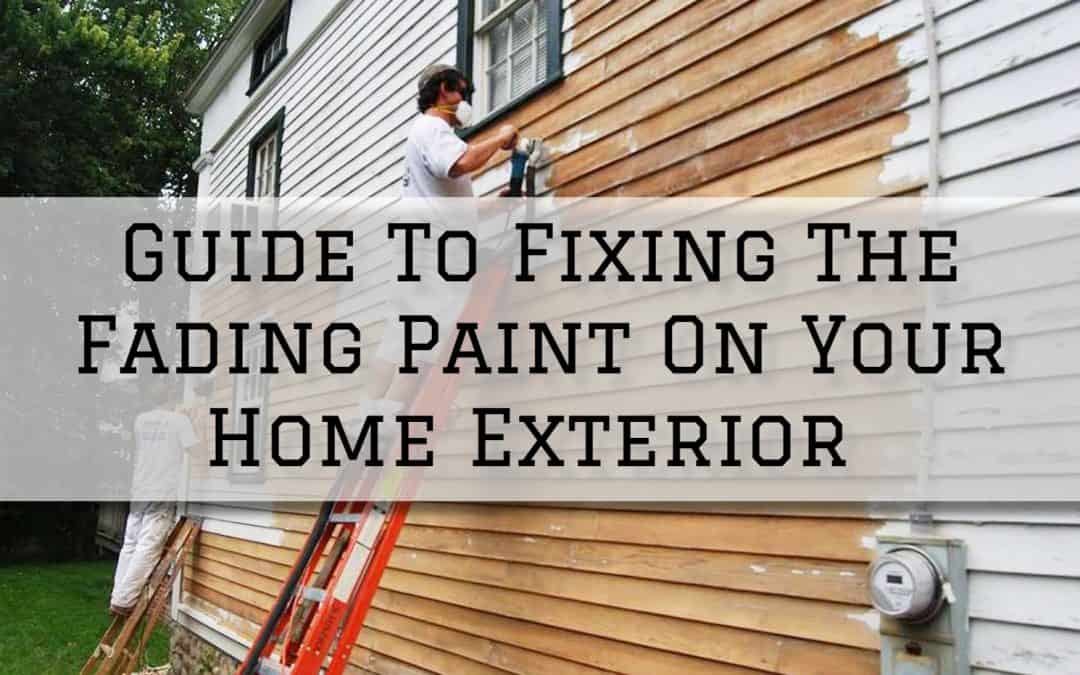
If you’re noticing that your home exterior looks mundane or just overall dull, then its coat of paint might have faded already – and the perfect time for you to do an exterior painting project.
A faded home exterior can really bring down the overall appearance and appeal of your home and is just going to be screaming for help and proper intervention.
So, if you’re currently planning to treat your exterior to a fresh coat of paint, here’s a helpful read for you!
Here’s a Guide To Fixing The Fading Paint On Your Home Exterior.
1. Assess the Damage
Before going into your painting project, you should take a step back and assess the paint problem properly on your home exterior first.
This is an important process to take so you’ll know the extent of the fading paint problem on your home exterior, and possibly find a lead on why your coat of paint has started to fade.
For starters, these are some of the most basic reasons why your coat of paint would fade:
- A lack of proper surface preparation;
- A lack of primer application prior to applying the coat of paint;
- Investing in low-quality paint;
- Too much sun exposure
Additionally, your coat of paint can also naturally fade over time, especially when it has been weathered for a long time, which would just mean that it has been a while since you’ve painted your exterior and that it is due time for a fresh coat.
Examining the faded coat of paint on your exterior and hypothesizing the possible causes for its fading will be essential to mapping the next steps that you should be taking in your painting project, so keep this in mind!
2. Prepare the Surface
After doing the necessary inspection on the extent of the fading coat of paint on your home exterior, and figuring out how to best go through with your project, you will now want to start doing the necessary preparations leading up to your project.
To do this, you’ll want to:
- Clean Your Exterior: Start by thoroughly cleaning the exterior of your home. Use a power washer or a hose with a high-pressure nozzle to remove dirt, dust, and loose paint. Stubborn stains may require scrubbing with a stiff brush and a mild detergent. Afterward, make sure to dry your surface completely.
- Scrape and Sand: Next, remove any loose or peeling paint using a paint scraper. Sanding also helps to roughen up the existing paint, to create a smooth surface and allow better adhesion for the new paint. Be sure to wear protective gear such as a dust mask or safety goggles during this step.
- Repair Damaged Areas: Inspect the surface for any cracks, holes, or any other signs of damage. Fill these areas with the appropriate patching compound, putty, or wood filler. Once the filler has dried, sand it down to match the surrounding surface
3. Select the Right Paint
Using low-quality paint will inevitably lead to early paint fading, so in repainting your faded home exterior, make sure to get the right kind of paint.
While purchasing cheap, low-quality paint does indeed get you to save initially, this will not be sustainable in the long run, since the low cost of this paint is enabled by the low-quality materials it is made up of, and inevitably shows signs of paint problems sooner than you’d anticipated – such as paint fading.
So, in repainting your faded home exterior, do make sure to invest in high-quality, exterior-grade paint, to ensure that this problem won’t happen again anytime soon.
If you’re not sure which one is the right kind of paint for you, ask for assistance from a paint professional at your local paint store.
4. Apply A Coat Of Primer First
Before applying a coat of paint on your exterior, make sure to apply a coat of primer first.
Adding a coat of primer will provide your coat of paint better coverage, which in turn, ensures that the paint finish will turn out to be bright and vivid – essentially reducing the chances for paint fading!
The application of primer, combined with the layer of high-quality paint afterward, and you’ve essentially got a heavy-duty exterior coating that is bound to stay bright and colorful for a longer period of time!
Additionally, the application of primer helps your coat of paint adhere better to the surface, essentially reducing the chances for paint problems such as paint peeling or cracking.
5. Apply the Paint
After getting everything done, all there’s left to do is apply your brand-new coat of paint!
In doing this, here are a few pointers you might want to keep in mind:
- Start at the Top: Start applying your paint from the top and work your way down. This prevents drips and allows you to catch any paint runs before they dry.
- Apply Multiple Coats: For a uniform and long-lasting finish, apply multiple coats of paint. To guide you, check out the paint manufacturer’s instructions for drying your coat of paint.
- Watch the Weather: Choose a day with favorable weather conditions for your painting project. Avoid painting during extremely hot or cold days, since this might affect your coat of paint’s overall quality.
If you need professional help with your interior/exterior painting, Campbell Painting is here for you.
Our interior/exterior painting and washing services are available in Anchorage, AK.
Call us today at (907) 444-3657 for a FREE painting estimate.
Related: Tips For Choosing A Paint Color For Your Fences in Anchorage, AK
Pros and Cons of DIY Roof Painting in Anchorage, AK

Ben Campbell is the proud owner of Campbell Painting LLC, a successful painting company based in Anchorage, Alaska. As a third-generation member of the painting industry, Ben has a deep-seated passion for his profession that started with his grandfather, who came to Alaska to sell paint. Born and bred in Alaska, Ben’s connection to his community is genuine and strong. Since 2006, he has been providing top-quality painting services, enhancing the beauty of Anchorage one building at a time. He also studied at Santa Barbara City College, solidifying his industry knowledge. Ben’s journey, including overcoming adversity, is a testament to his resilience and commitment to his craft, which is reflected in the success and reputation of Campbell Painting LLC.
Recent Comments