
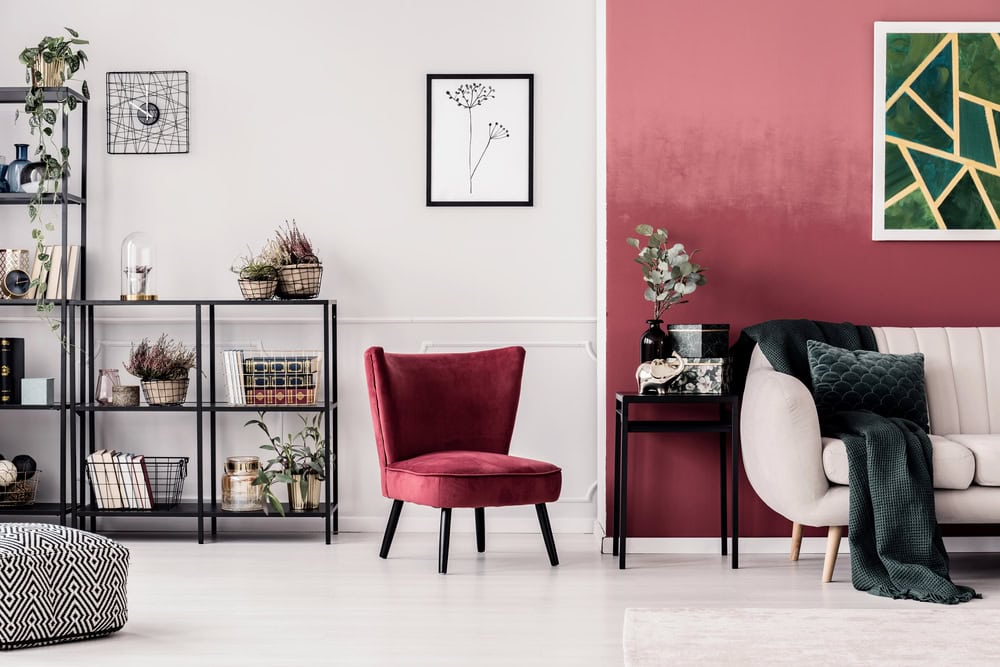
A clean interior paint finish looks simple when it’s done right—smooth walls, crisp lines, even color, and a surface that can handle real life. In Anchorage, AK, interior painting also comes with a few local realities: long winters, lots of time spent indoors, and the need for finishes that hold up to boots by the door, busy kitchens, and daily wipe-downs.
This guide walks you through residential interior painting to help you achieve results that look sharp on day one and still look good months (and years) later. You’ll learn what to do before a brush ever touches the wall, how to choose the right paint and sheen, and how to keep your finish looking fresh.
If you’d rather skip the learning curve and want a professional to handle prep through final coat, Campbell Painting offers residential interior painting for Anchorage homeowners.
What “Clean and Durable” Really Means
A “clean” paint job isn’t just a nice color. It’s the details.
A clean finish usually has:
- Straight cut lines where walls meet ceilings, trim, and corners
- Even coverage with no patchy areas or see-through spots
- Flat surfaces without raised roller edges, drips, or rough sanding marks
- Consistent sheen that doesn’t flash in sunlight or overhead lighting
A durable finish means:
- It resists scuffs in hallways and around switches
- It can handle light cleaning without leaving shiny wipe marks
- It doesn’t peel easily near bathrooms, kitchens, or exterior-facing walls
- It hides minor wear so your home looks tidy longer
The good news: you don’t need complicated tricks. You need a smart plan, the right materials, and patience with prep.
Key Benefits of Doing It the Right Way
Here’s what you gain when you focus on prep, correct products, and good technique.
| Key benefit | What it means in real life | Homeowner payoff |
|---|---|---|
| Smoother walls | Repairs sand out clean, primer levels the surface | Paint looks “new-build” instead of “touched up” |
| Crisper lines | Cleaner edges at ceilings/trim/corners | Rooms look sharper and more finished |
| Better washability | Correct sheen + quality paint | You can wipe messes without damage |
| More even color | Proper primer + enough coats | No patchiness or blotchy spots |
| Less peeling | Correct prep and bonding | Finish holds up longer, especially in moisture-prone areas |
| Faster touch-ups | Consistent products and labeled leftovers | Easier maintenance later |
Step 1: Choose a Finish Goal Before You Choose a Color
A lot of homeowners start with color swatches. Start with the finish goal instead.
Ask:
- Do you want walls to hide imperfections, or to look sleek and modern?
- Do you have kids, pets, or high-traffic areas that need to be scrubbed?
- Will you paint just walls, or walls + trim + ceilings + doors?
Your finish goal guides sheen choice, paint line selection, and how much repair work you should do.
For example:
- If your walls have dents, old patchwork, or texture changes, a lower sheen can hide that better.
- If you want wipeable walls in a hallway, you’ll likely want a stronger paint and a slightly higher sheen.
Step 2: Pick Paint Quality Like You’re Buying Time
Paint isn’t just color—it’s a protective coating. Better paint often means:
- thicker coverage
- stronger binders
- better leveling
- improved scrub resistance
That usually translates to fewer coats and longer life.
If your priority is durability, don’t choose the cheapest option, especially for:
- kitchens
- hallways
- mudroom areas
- kids’ rooms
- stairwells
A durable product costs more upfront, but it can save you repainting sooner.
Step 3: Anchorage Home Prep That Actually Matters
Anchorage homes see lots of indoor living time. That means walls take more daily wear. Prep is what keeps “daily living” from turning your new paint into scuffs and chips.
Clean first (yes, before sanding)
Paint sticks best to clean surfaces. Wash:
- kitchen walls (especially near the stove)
- areas around light switches and door handles
- bathrooms and laundry rooms
- baseboards and trim edges if you’re painting them
Use a gentle degreaser for kitchen grime. Let walls dry fully before you move on.
Fix small damage the right way
For dents and holes:
- Fill with patch compound
- Let it dry completely
- Sand smooth
- Dust off sanding residue
- Spot-prime the repair
Skipping spot priming often causes “flashing” where patches look different through the paint.
Handle stains and glossy surfaces
Stains (smoke, water marks, marker) usually need a stain-blocking primer.
Glossy surfaces (old semi-gloss walls, oil-based trim) need:
- a light scuff sand, and/or
- a bonding primer
If paint peels in sheets when you scrape, adhesion is the issue. Don’t paint over it and hope for the best—solve the bonding problem first.
Step 4: Don’t Skip Caulk When You Want a “Clean” Look
If you want the finish to look tight and intentional, caulk is a big deal.
Caulk helps:
- close gaps between trim and wall
- hide hairline cracks at seams
- make baseboards look like they were installed perfectly
Use paintable caulk and keep the bead small. Smooth it with a damp finger or caulk tool. Let it cure before painting.
A little clean caulk work can make a basic repaint look like an upgrade.
Step 5: Use the Right Sheen for Each Surface
Sheen affects:
- how washable the surface is
- how much wall texture and patching shows
- how light bounces around the room
Here’s a practical approach for most Anchorage homes:
Walls
- Matte: hides flaws well, but can be harder to clean depending on paint line
- Eggshell: a solid balance for living areas and bedrooms
- Satin: stronger cleaning ability, but highlights wall imperfections more
Trim and doors
- Semi-gloss is common because it’s tougher and easier to wipe
- It also gives a nice contrast against wall paint
Ceilings
- Typically flat to reduce glare and hide surface issues
If you’re unsure, eggshell on walls and semi-gloss on trim is a safe, durable starting point.
Step 6: Color Choices That Look Good in Anchorage Light
Anchorage light changes a lot depending on season. A color that looks warm and cozy in summer daylight can look cooler in winter.
A few tips:
- Test samples on multiple walls, not just one spot
- Look at the color in morning, afternoon, and evening
- Pay attention to how it looks under your actual bulbs (warm vs cool lighting)
If you want a cleaner look, avoid ultra-bright whites on imperfect walls—high contrast can make flaws stand out. Soft whites and light neutrals often read “fresh” without feeling harsh.
Step 7: Prime Like You Mean It (Not Like a Shortcut)
Primer isn’t “extra.” It’s often what makes the final coat look even and hold up.
You typically need primer if:
- you repaired patches
- you’re painting over stains
- you’re making a big color change (dark to light or vice versa)
- the surface is glossy
- the walls are bare drywall or new compound
A good primer step reduces coat count and helps color look consistent across the whole wall.
Step 8: Painting Order for Clean Lines
If you want clean edges and minimal touch-ups, sequence matters.
A common order:
- Ceilings
- Walls
- Trim and baseboards
- Doors
This reduces the chance of splatter ruining finished surfaces. It also makes cut-in lines easier to control.
Step 9: Cutting In Without Wavy Lines
Cutting in is where clean paint jobs are won or lost.
For better cut-ins:
- Use a quality angled brush (not a bargain pack)
- Don’t overload the brush; tap off excess paint
- Hold the brush like a pencil, not like a hammer
- Keep a wet edge and work in short runs
If you’re painting next to trim:
- Paint the wall first, slightly onto the trim edge
- Then paint trim afterward for a sharper finish
Painter’s tape can help, but it’s not magic. Tape only works well if:
- the surface is clean
- tape is pressed down firmly
- you remove tape before the paint fully hardens
Step 10: Rolling for a Smooth, Even Finish
Rolling technique affects texture and uniform sheen.
For smoother walls:
- Use the correct nap (often 3/8″ for smooth-to-light texture)
- Load the roller evenly
- Roll in a “W” or “M” pattern, then fill in
- Finish with light, consistent passes in one direction
Avoid:
- pressing too hard (creates ridges)
- rolling over partially dried paint (causes lap marks)
- stopping mid-wall without blending the wet edge
If you’re seeing roller lines, it’s usually one of these:
- paint drying too fast
- uneven roller loading
- low-quality roller cover
- poor blending technique
Step 11: Room-by-Room Tips That Improve Durability
Different rooms need different strategies.
Kitchens
Kitchen walls deal with grease, steam, and wipe-downs.
- Choose a washable paint line
- Consider satin or a durable eggshell
- Don’t skip degreasing before paint
Bathrooms
Moisture is the enemy of paint.
- Use a bathroom-rated paint if possible
- Improve ventilation (fan use matters)
- Prime any areas with past peeling or stains
Hallways and stairwells
These get constant contact.
- Prioritize a tougher paint and easier-clean sheen
- Consider a slightly deeper color to hide marks
- Add a second coat even if the first looks “okay”
Kids’ rooms
Durability + touch-up ability matters.
- Stick to one paint line for consistency
- Save labeled leftovers for quick repairs
- Consider eggshell or satin depending on wall condition
Entry areas and mudroom zones
Anchorage living often means wet gear and boots.
- Stronger paint and good adhesion are key
- Focus on corners, baseboards, and areas near hooks/benches
Step 12: Dry Time, Cure Time, and Why Your Walls Still Feel “Soft”
Paint can feel dry in hours but still be curing for days (sometimes longer). During the cure period:
- avoid heavy scrubbing
- be careful with furniture bumps
- don’t hang adhesive hooks right away
If you wash too early, you can leave shiny spots or dull patches that don’t blend.
A simple rule: treat the walls gently for the first couple of weeks.
Step 13: How to Keep the Finish Looking New
A durable paint job lasts longer when you maintain it well.
Use the right cleaning method
- Start with a damp microfiber cloth and mild soap
- Avoid harsh scrub pads unless the paint is rated for heavy scrubbing
- Rinse lightly and dry the area
Keep touch-up paint organized
Label your leftover paint:
- room name
- wall color
- sheen
- date
- brand/line if you know it
Touch-ups look best when:
- you use the same product and sheen
- you feather edges lightly
- the wall is clean first
Prevent scuffs instead of chasing them
Simple changes help:
- add bumpers to door handles
- adjust furniture placement
- use washable finishes in high-contact zones
When It Makes Sense to Hire a Pro in Anchorage
DIY can go well, but a few situations strongly favor hiring a professional:
- large open layouts where lap marks show easily
- tall stairwells and high ceilings
- heavy wall repairs or texture matching
- older trim that needs bonding strategies
- tight timelines where you want it done quickly and cleanly
If your goal is a clean, durable finish with fewer surprises, Campbell Painting can handle prep, repair, primer, and final coats for your Anchorage home. Here’s the service page again for residential interior painting.
A Simple Interior Painting Checklist You Can Follow
Before paint day:
- Clean walls in high-touch areas
- Patch and sand repairs
- Spot-prime patches and stains
- Caulk trim gaps
- Protect floors and furniture
- Choose correct sheen by room
During painting:
- Keep a wet edge on walls
- Cut in cleanly, then roll
- Use two coats where needed
- Let coats dry fully
After painting:
- Allow curing time before deep cleaning
- Store labeled leftover paint
- Touch up small dings early
FAQs
1) How many coats do I need for residential interior painting?
Most walls need two coats for even color and durability, especially when changing colors or covering patched areas. Primer may reduce extra coats, but it doesn’t always replace a second finish coat.
2) What sheen is best for Anchorage homes?
For many Anchorage interiors, eggshell works well on walls because it balances looks and cleanability. High-traffic areas may benefit from satin, while trim often looks best and wears best in semi-gloss.
3) Why do my patches show through after painting?
Patches often “flash” because the repaired area absorbs paint differently than the rest of the wall. Spot priming repairs before painting helps the finish look uniform.
4) Can I paint in winter in Anchorage?
Yes—interior painting is often done in winter. The key is maintaining steady indoor temperatures, allowing proper dry time, and using ventilation wisely so paint cures well without causing a strong lingering odor.
5) How do I keep painted walls clean without damaging the finish?
Wait for paint to cure, then clean gently using mild soap and a soft cloth. Avoid aggressive scrubbing unless your paint is designed for it, and always test cleaning in a small, hidden spot first.

Ben Campbell is the proud owner of Campbell Painting LLC, a successful painting company based in Anchorage, Alaska. As a third-generation member of the painting industry, Ben has a deep-seated passion for his profession that started with his grandfather, who came to Alaska to sell paint. Born and bred in Alaska, Ben’s connection to his community is genuine and strong. Since 2006, he has been providing top-quality painting services, enhancing the beauty of Anchorage one building at a time. He also studied at Santa Barbara City College, solidifying his industry knowledge. Ben’s journey, including overcoming adversity, is a testament to his resilience and commitment to his craft, which is reflected in the success and reputation of Campbell Painting LLC.
Recent Comments