
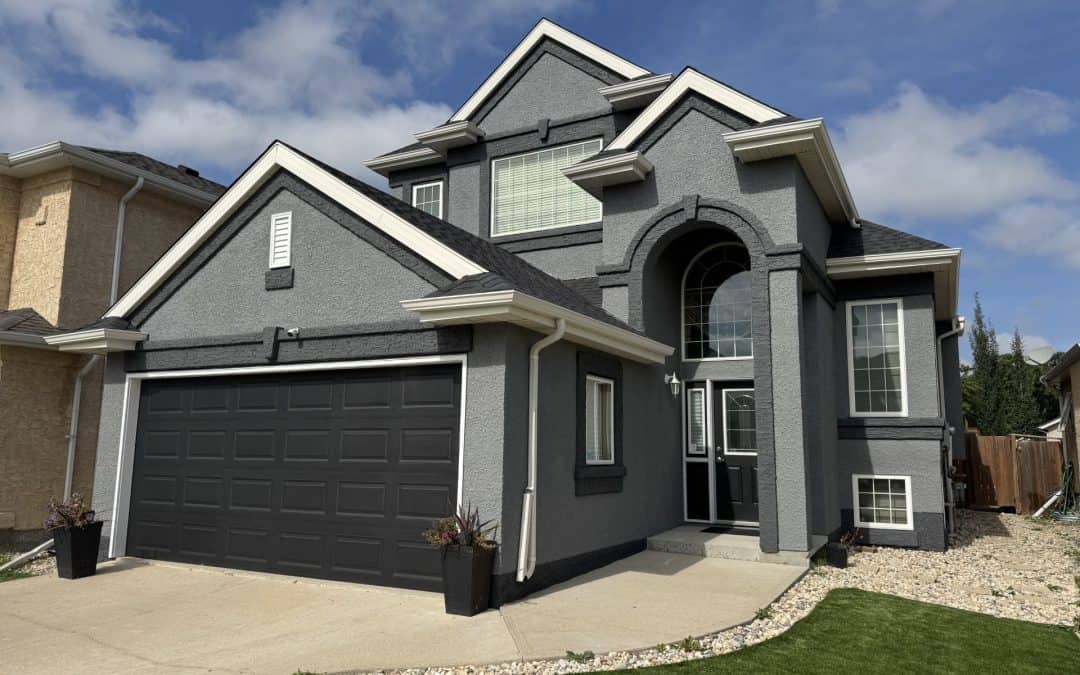
You typed exterior house painters near me, and dozens of options appeared. Now what? In Anchorage, where freeze–thaw cycles, UV exposure, and coastal moisture all take a toll, your choice of painter matters as much as your color. This guide walks you from that first search to a confident shortlist and, finally, to a well-run project that stands up to the seasons.
Step 1: Turn a vague idea into a clear project scope
Before you request estimates, define what “done” looks like. A clear scope lets each company price the same work and prevents mid-project surprises.
- Surfaces: Siding (wood, fiber cement, vinyl), trim, fascia/soffits, doors, garage doors, porch railings, decks, fences, foundations.
- Condition: Peeling, cupping boards, nail rust, hairline cracks, water stains, mildew, chalking.
- Repairs: Carpentry replacements (rake boards, trim ends), window glazing, caulking.
- Access challenges: steep grades, second- and third-story levels, nearby power lines, and tight lot lines.
- Color plan: Same color refresh, subtle shift, or full palette change? Accent colors for doors or gables?
Write it down. Photos help—especially close-ups of problem areas. When you contact exterior house painters near me with a crisp scope, you’ll get tighter, apples-to-apples proposals.
Step 2: Time your project to Anchorage weather (and book accordingly)
Anchorage’s painting window is shorter than in milder regions. Temperature, dew point, and surface moisture all affect adhesion and cure times.
- Seasonality: Late spring through early fall is prime, but shoulder months can work with the right products and day scheduling.
- Daily timing: Crews may start later to allow surfaces to dry after overnight dew, then wrap before temperatures drop.
- Rain & wind plans: Ask how the team stages around pop-up showers and gusts that carry dust.
- Lead times: Busy periods (pre-summer and late summer) book quickly. If you need a specific completion date, ask how many painters will be assigned and what their daily hours look like.
A top candidate will talk about substrate temperature (not just air), dew-point separation, and cure windows—not just “we’ll make it work.”
Step 3: Ask for a true paint system, not just a brand name
A “paint system” is the combination of surface prep + primer (where needed) + exact topcoat product(s) + number of coats + sheen/finish. Brand alone doesn’t guarantee durability.
- Wood siding & trim: Scrape and sand to a sound edge; spot-prim bare wood or full-prim if widespread failure; then apply two finish coats.
- Previously chalking acrylic: Wash and de-chalk first; if chalk remains, use a bonding primer designed for weathered surfaces.
- Metal railings or doors: Remove rust scale, treat, and use a rust-inhibitive primer before topcoats.
- Masonry/foundation: pH-appropriate primers and breathable coatings help prevent blistering.
- Caulking: Quality, paintable, elastomeric caulk for joints and penetrations; look for movement ratings.
Request a product list by surface, including primers and the exact topcoat line (not just “premium exterior”). Confirm coat counts and recoat windows. That’s how you compare proposals fairly.
Step 4: Demand a written estimate that stands up to daylight
A good estimate reads like a mini plan. It should show what’s included, excluded, and how the team protects your property.
- Scope lines: Every surface is called out clearly.
- Prep detail: Washing method, scraping/sanding standard, priming approach, caulk locations, masking plan.
- Products: By brand line, not just brand; sheen where relevant.
- Protection: Landscaping coverings, drip control, ladder pads, and a site cleanup schedule.
- Schedule: Start window, daily work hours, target completion, weather contingency.
- Price & changes: Fixed price for the documented scope; written change orders for added repairs.
- Warranty: Length, what’s covered (peeling/adhesion), and how to request service.
If one bid is much lower, check what it omits—often second coats, primer, or real prep time.
Step 5: Inspect the prep standards—they make or break the job
Prep isn’t glamorous, but Anchorage weather punishes shortcuts. Your shortlist should have crews who:
- Wash properly: Use low-pressure washing with a cleaning solution to remove dirt, chalk, and mildew; allow to dry completely before painting.
- Scrape/sand to a sound edge. Do not paint over loose edges; feather sand transitions for smooth topcoats.
- Prime smartly: Spot prime bare wood and repairs; full prime if failure is widespread or color is changing drastically.
- Detail work: Set and fill nail heads, back-prime new wood, seal end grains, caulk moving joints, and mask with clean lines.
Ask what percentage of total job hours they expect to spend on prep. Low numbers can be a red flag.
Step 6: Check the crew makeup, supervision, and communication
You’re not just hiring a brand; you’re hiring the people on your property.
- Employees vs. subs: Who is on site daily? Is there a working lead you’ll see every day?
- Crew size: Enough hands to hit your schedule without rushing?
- Experience with your substrate: Old cedar, fiber cement, stucco, metal—each has quirks.
- Daily updates: How will they communicate progress and weather shifts? Text, photo check-ins, or in-person end-of-day reviews?
- Jobsite respect: Portable restrooms if needed, no-smoke policy, tool staging that keeps walkways open, magnet sweeps for fasteners.
A quick pre-hire test: Send three questions about your home’s specific surfaces. Clear, timely answers often predict a smooth project.
Step 7: Safety, compliance, and neighbor-friendly practices
Professional crews protect everyone—your household, pets, neighbors, and themselves.
- Fall protection: Ladders tied off, stabilizers, and proper scaffold setups for multi-story work.
- Lead-safe awareness: For homes built before 1978, ask about practices that control dust when disturbing old coatings.
- Property protection: Lawn and garden coverings, drip controls, pad ladders to avoid denting gutters or siding.
- Noise & parking: Agree on start times and parking so neighbors stay happy.
Well-run projects feel calm because safety and logistics are routine, not improvised.
Step 8: Evaluate warranties and aftercare like a pro
A warranty’s real value is in its terms and the contractor’s willingness to honor it.
- Coverage: Peeling, blistering, or adhesion failure tied to workmanship.
- Length: Many exterior warranties range from two to five years; longer isn’t always better if prep is skimpy.
- Exclusions: Chronic moisture, unaddressed substrate failure, or structural movement often sit outside coverage.
- Service process: Response time, inspection, and typical touch-up scheduling.
- Leftover materials: Labeled topcoats and primer for future touch-ups.
- Care guide: Washing frequency, safe cleaners, and when to trim vegetation back from walls.
Get the warranty in writing with your proposal—not as a verbal promise.
Step 9: Spot red flags before you sign
Trust your instincts, and watch for these common warning signs:
- Vague proposals: “Includes prep and premium paint” with no specifics.
- Cash-only or large upfront payments: Small deposits are normal; progress draws tied to milestones are safer.
- No schedule commitment: “We’ll squeeze you in.”
- Rushed consult: No time to inspect problem areas or discuss substrate-specific products.
- Poor references: Few recent projects, or none similar to your home’s surfaces or height.
Good contractors will answer questions directly and provide references you can actually call.
Step 10: Build your shortlist (a simple, repeatable process)
Here’s a quick method to go from search results to two or three strong contenders:
- Scan websites for clarity. Look for process pages, product transparency, job photos, and clear contact options.
- Send the same scope to each. Include photos; ask for a product list and coat counts.
- Compare like-for-like. Check prep hours, primers, topcoat lines, and warranty terms.
- Do a 10-minute call with your project lead. Gauge their communication style and how they plan around Anchorage weather.
- Pick the best fit—not just the lowest price. Value = thorough prep + matched products + real schedule + responsive communication.
Planning tips specific to Anchorage homes
Mind the freeze–thaw cycle.
Hidden moisture can sit in end grains and joints. Ask how the crew measures moisture content and how the crew sequences work to avoid trapping water.
Vegetation and access
Shrubs that are tight to the siding trap moisture and complicate setups. Trim back before the crew arrives, and plan ladder/staging zones that protect plantings.
Color and sheen choices
Deep, saturated colors can absorb more heat and may show lap marks if rush-applied in the sun. Ask about cool-temperature application windows and “wet edge” techniques, plus whether a higher-build coating or satin sheen makes sense for durability.
Doors and high-touch areas
Entry doors and railings benefit from durable enamels. Confirm cure time before heavy use and ask about temporary hardware wraps or door scheduling to keep traffic flowing.
Final walk-through strategy
Complete your punch list in bright daylight and again at dusk—angled light reveals missed items. Use small pieces of painter’s tape to mark touch-ups; remove after corrections.
What a professional exterior painting process looks like
A reliable Anchorage workflow often follows this arc:
- Initial consult: Discuss goals, surfaces, timing, and any repair concerns; review photos or schedule a site visit.
- Site visit & inspection: Look for failing coatings, rot, moisture intrusion, and access constraints; measure and photograph.
- Written proposal: Scope, prep, products, coat counts, protection, schedule, price, warranty.
- Color and materials lock-in: Confirm product lines per surface; finalize color codes.
- Jobsite prep: Landscape protection, masking, access setup, safety gear, and material staging.
- Washing & dry-down: Clean surfaces and allow proper drying time (watch dew point and shade).
- Repairs & prep: Scrape, sand, fill, prime, caulk, and spot-seal; replace bad trim as needed.
- Topcoats: Apply within recoat windows; manage sun exposure and wind.
- Detailing & cleanup: Crisp lines, hardware resets, site sweep, and material labeling.
- Final walk-through & aftercare: Review warranty and care sheet; schedule touch-ups if needed.
How to compare bids without getting overwhelmed
Create a simple side-by-side chart for your top three candidates:
- Prep hours (estimate)
- Primer type(s)
- Topcoat line(s) + sheen
- Coat counts per surface
- Crew size + daily hours
- Start window + duration
- Warranty length + coverage
- Price
This clear grid reveals trade-offs fast—especially when a lower price hides fewer coats or skimpy prep.
When to say “yes” (and what to confirm in writing)
You’ve found your team if they:
- Explained how they’ll time work around the Anchorage weather.
- Documented prep and product choices that fit your surfaces.
- Gave a clean schedule with the real crew size.
- Offered a written warranty and aftercare plan.
- Communicated promptly and clearly.
Before you sign: confirm color names/codes, exact product lines, and any optional carpentry repairs. Lock in start window and payment milestones tied to progress.
Ready to move from search to action?
If you’re comparing exterior house painters near me, you’ll get a running start by reviewing this resource from Campbell Painting: 7 tips for painting your home’s exterior in Anchorage. It expands on seasonality, prep, and product choices specific to our climate. Use it alongside your estimates to ask sharper questions and make a confident hire.
FAQs
1) How many coats should I expect on siding and trim?
Most repaints call for spot or full primer where needed, plus two finish coats on siding and trim. Deep color changes or previously failing coatings may require additional prime work to ensure even color and adhesion.
2) How long will an exterior repaint take?
For an average two-story home, crews typically need 3–7 working days, depending on prep requirements, crew size, and weather. Complex repairs, color changes, and poor weather can extend timelines.
3) Do I need to be home while the crew works?
Not necessarily. Agree on access, parking, and daily updates. Plan pet management and confirm which doors stay usable during door and trim coating.
4) What should I do to prepare before the crew arrives?
Trim vegetation, move patio furniture and grills away from walls, close windows on workdays, and clear driveways or gates for staging. Note any sensitive plants or areas that need extra protection.
5) How do I maintain the finish after the project?
Wash gently once or twice a year with a mild cleaner, rinse from top to bottom, and avoid harsh pressure. Keep vegetation trimmed back and address minor caulk gaps early to prevent moisture intrusion.

Ben Campbell is the proud owner of Campbell Painting LLC, a successful painting company based in Anchorage, Alaska. As a third-generation member of the painting industry, Ben has a deep-seated passion for his profession that started with his grandfather, who came to Alaska to sell paint. Born and bred in Alaska, Ben’s connection to his community is genuine and strong. Since 2006, he has been providing top-quality painting services, enhancing the beauty of Anchorage one building at a time. He also studied at Santa Barbara City College, solidifying his industry knowledge. Ben’s journey, including overcoming adversity, is a testament to his resilience and commitment to his craft, which is reflected in the success and reputation of Campbell Painting LLC.
Recent Comments