
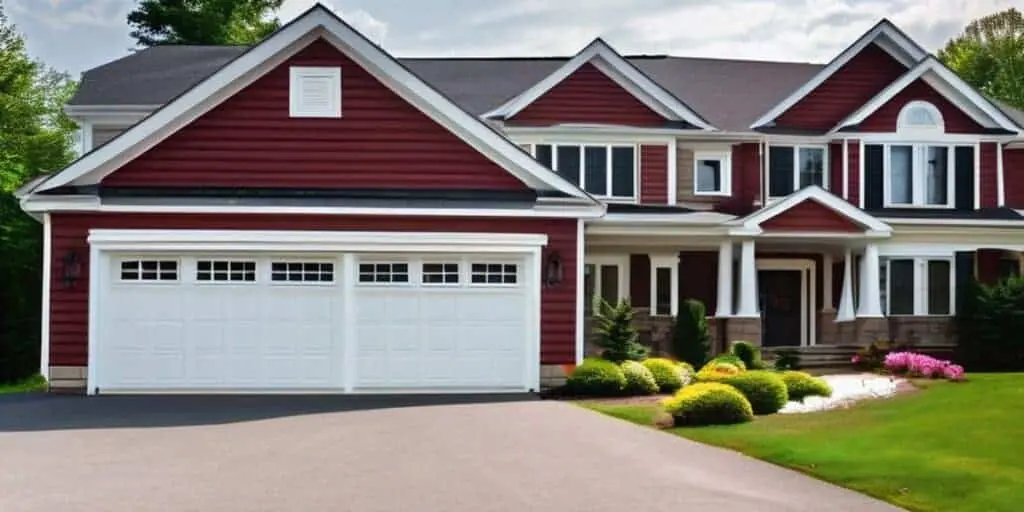
With constant salt spray, driving wind, and heavy rain assaulting your exterior surfaces, you need paints that prevent corrosion and peeling. Choose marine-grade acrylics or polyurethane systems with rust inhibitors and flexible binders. Proper preparation and priming enhance adhesion and provide long-lasting protection, keeping wood, metal, and composites watertight and low-maintenance in Alaska’s harsh coastal climate.
Key Takeaways:
- Choose high-quality 100% acrylic exterior paints with high-solids formulas and mildewcide for superior adhesion, UV resistance, and salt-spray resistance, along with a flexible film that resists cracking in freeze-thaw cycles.
- Prep and prime aggressively: use marine-grade or rust-inhibiting primers on metal, stain-blocking primers on wood, and seal joints/trim with durable caulk to prevent moisture intrusion and paint failure.
- Select products rated for coastal/marine exposure with long warranties. Rinse salt regularly and perform targeted touch-ups every few years to extend coating life in Alaska’s challenging wind, rain, and salt conditions.
The Unique Climate Challenges of Coastal Alaska
Salt Spray: Nature’s Abrasive
If your home sits within 1,000 feet (300 m) of the shoreline, expect constant deposition of salt crystals that act like microscopic sandpaper, accelerating paint chalking and corroding metal fasteners. Salt-laden aerosols can cut service life in half compared with inland locations, leaving your exterior finishes dull and your trim prone to premature failure.
High Winds: The Unseen Enemy
Sustained coastal winds commonly range from 30 to 50 mph, with frequent gusts exceeding 70 mph, creating shear forces that scrape surfaces, lift edges, and force water under flashings. Windward exposures exhibit the worst mechanical wear and faster loss of adhesion.
In exposed communities—think the Aleutians, Kodiak, and Gulf-facing shores—storms can produce repeated cycles of flexing and impact that create microcracks in coatings and reveal substrate movement. You’ll see windward exposures chalk, erode, and require repainting on a roughly 5–7 year cycle, versus 10–15 years in sheltered areas. Fastener corrosion and blown-off trim are common failure modes unless systems account for cyclical loading and abrasion.
Rain: A Continuous Battle Against Moisture
Coastal Southeast Alaska commonly records 100–200 inches (2,500–5,000 mm) of annual precipitation, with over 200 wet days in many towns, leaving surfaces continuously damp and promoting the growth of mildew, algae, and substrate softening that undermine coatings.
Prolonged wetting keeps wood and composite claddings swollen, drives moisture into joints, and fosters biological growth that breaks down binders and pigments. Surfaces can remain damp for 48–72 hours after heavy rain, which increases the risk of blistering and adhesion loss. Proper drainage, breathable systems, and routine inspections reduce moisture-related failures and extend the effective life of your paint.
Essential Characteristics of Exterior Paints for Coastal Homes
Salt Resistance: Competing with Corrosion
Salt-laden winds accelerate metal and fastener failure, so you want systems that withstand ASTM B117 salt-spray testing and real-world marine exposure. Specify a zinc-rich or epoxy primer under topcoat for metal trim and use 316 stainless or silicon bronze fasteners on softwoods. Coatings rated for 1,000+ hours in salt-spray labs typically hold up far longer outdoors; thin factory finishes without marine-grade primers can blister and pit within a single Alaskan season.
Moisture Control: The Importance of Breathability
Choose paints with measurable vapor transmission—aim for greater than five perms on siding systems—so that trapped moisture can escape during freeze–thaw cycles. Impermeable alkyds and heavy elastomerics often trap condensation, causing hidden rot and delamination on cedar, plywood, and log walls. Breathable 100% acrylic topcoats over a vapor-permeable primer reduce blistering and preserve substrate integrity.
Look for lab-backed permeance values (ASTM E96) and match the paint system to your cladding. Cedar and log homes require highly breathable films to prevent interstitial moisture buildup, while fiber cement can tolerate lower permeability. Use a breathable primer that blocks tannin bleed while maintaining more than five perms, and pair it with a 100% acrylic finish that resists water intrusion while allowing vapor flow. Flashing, proper ventilation of eaves, and drained cavities remain integral to the system; coatings alone will not address poor detailing, and trapped moisture is the leading cause of paint failure in coastal Alaska.
UV Protection: Defending Against Rapid Fading
Alaska’s long summer sun and reflective water intensify UV breakdown, so choose formulas with HALS and UV absorbers plus inorganic pigments like iron oxides and titanium dioxide. Premium acrylics with UV stabilizers often carry manufacturer warranties in the 10–to 15–year range; inexpensive latex can exhibit significant color loss or chalking within 3 to 5 years.
Pay attention to pigment selection and film formulation: low-quality organic pigments can suffer up to 50% color loss under high UV exposure, while ceramic-stabilized pigments and higher pigment volume concentrations (but controlled PVC—typically below 35%) maintain color and film integrity. Look for products tested to ASTM G154 (QUV) or equivalent accelerated-UV protocols, and prefer finishes labeled for coastal or marine exposure—manufacturers tune resin chemistry, UV absorbers, and HALS levels specifically to reduce polymer chain scission and chalking in high-UV environments.
Top Contenders for Best Exterior Paints
Acrylic Latex Paints: The Versatile Champion
You’ll get the best balance of flexibility, adhesion, and breathability with 100% acrylic latex; it expands and contracts with wood and siding in freeze-thaw cycles, resists chalking and UV fade, and cleans up with water. Products like Benjamin Moore Aura or Sherwin-Williams Duration deliver proven performance in coastal tests, often backed by 10–to 25–year exterior warranties when applied over proper primers and preparation.
Oil-Based Paints: Durable Yet Controversial
Alkyd and oil-based enamels provide a hard, abrasion-resistant finish ideal for metal trim and high-traffic doors. However, they dry slowly and emit higher VOCs, making them less desirable for large coastal applications. You’ll often use them for specific touch-ups or historic restorations rather than whole-home recoats.
Expect oil-based enamels to have long tack times—typically 8–24 hours to recoat—so planning around Alaska’s weather windows is crucial. You can use modern waterborne alkyds (e.g., Benjamin Moore ADVANCE, Sherwin-Williams ProClassic waterborne alkyd) to retain alkyd hardness while reducing VOCs and drying faster. Always degrease, sand glossy oil surfaces, and prime bare metal with a corrosion-resistant primer to achieve lasting adhesion.
Specialty Marine Paints: The Experts’ Choice
Two-part epoxies and polyurethane marine coatings provide the most robust barrier against salt spray, standing moisture, and abrasion—common on boathouses and pilings—with exceptional adhesion and chemical resistance, which is often used by boatyards and waterfront contractors.
Apply an epoxy barrier primer, followed by a two-component polyurethane topcoat for UV stability and gloss retention. Typical systems require strict mixing ratios and have a pot life of 2–6 hours, so professional application or careful staging is recommended. In Alaska harbor trials, epoxy and polyurethane systems on cedar pilings extended maintenance cycles to 8–12 years, compared to 2–4 years for standard acrylics. However, the cost per coat is substantially higher, and surface preparation must be meticulous.
Financial Considerations: Cost vs. Longevity
Initial Investment: Analyzing Price Tags
Expect material costs for high-performance coastal paints to range from roughly $50 to $80 per gallon, while standard exterior latex paints cost around $25 to $40 per gallon. Total installed exterior projects typically range from $1.50 to $3.50 per square foot, depending on the level of preparation and access in remote Alaska locations. You’ll pay more for marine-grade acrylics or elastomers upfront. Still, those options often come with longer factory warranties and reduced maintenance frequency, which matters when travel and weather increase contractor hourly rates.
Long-Term Value: Avoiding Costly Repaints
Premium coastal systems typically last 10–15 years, compared to 3–7 years for economy paints in salt-spray zones. A full repaint of a 1,800–2,500 sq ft Alaska home commonly costs $4,000–$12,000, depending on logistics. You should weigh that recurring bill against the upfront premium: paying more now can postpone those multi-thousand-dollar repaints and cut the frequency of risky, weather-exposed prep work.
Run a simple lifecycle comparison: if a basic system forces repaints every 5 years while a premium system stretches to 15 years, you face three repaints in 15 years with the cheap option versus one with the premium. You then compare total outlays—including labor, scaffolding, and potential moisture/rot repairs—not just paint cost. For many Alaska homeowners, spending an extra few thousand dollars upfront translates into significant savings and lower structural risk over the next two decades.
Application Techniques for Optimal Performance
Surface Preparation: The Key to Adhesion
Begin by blasting away salts and loose material: pressure wash at 1500–2000 psi and scrub with a TSP substitute to remove salt deposits that will lift paint. Sand glossy finishes with 120-grit or use a liquid deglosser, then solvent-wipe to remove residue. Allow surfaces to dry fully—plan on at least 24 hours after washing in cool, damp Alaska conditions before priming to prevent trapped moisture from breaking adhesion.
Layering Strategies: Ensuring Adequate Protection
Apply a corrosion- or adhesion-grade primer (e.g., epoxy for metal, acrylic-bonding for siding), then a minimum of two topcoats of 100% acrylic latex, formulated for coastal environments. Use a third coat on windward, wave-splashed walls. Follow the manufacturer’s spread rates (typically 350–400 sq ft/gal) and allow 12–24 hours between coats, depending on the temperature and humidity. Back-roll after spraying to ensure full substrate contact and bridge flash rust or pinholes.
Dive deeper into timing and methods: spray for a uniform film, then immediately back-roll to seat the paint into lap lines and textured surfaces, achieving a continuous film without holidays. Monitor dew point—do not paint within 5°F of the dew point—and avoid application in sustained winds over 15 mph that drive salt. Target total film thickness by following product DFT guidelines; in practice, that means primer + two topcoats, or primer + three topcoats in exposed zones, to reach the recommended dry film thickness and extend service life beyond typical 5–7 year repaint cycles on exposed coastal facades.
The Importance of Regular Maintenance
Seasonal Inspections: The Defensive Strategy
Inspect your exterior at least twice a year—spring, after storm season, and late fall, before freeze-up—looking for peeling, chalking, rust at fasteners, and soft or discolored wood. Check rooflines, eaves, window sills, and the first 3–4 feet of siding where salt tends to concentrate. Note hairline cracks and failed caulk; address any bare wood within 48–72 hours to limit salt-driven moisture uptake and rot.
Touch-Ups vs. Complete Repaints: Knowing When to Act
Patch isolated chips under roughly 1–2 square inches with compatible primer and topcoat; tackle nail pops and small blisters immediately. Plan a full repaint if fading, chalking, or adhesion loss affects more than about 15–20% of a wall, or if peel and blisters appear across multiple elevations—coastal-grade 100% acrylic or elastomeric systems typically extend repaint cycles to 7–10 years.
Start with a pressure wash (approximately 1,000–1,500 psi at 12–18 inches for most siding types) to remove salt and chalk. Then, sand loose edges and spot-prime bare wood with a high-adhesion primer before touching up. Replace trim boards that show deep rot or repeated blisters rather than trying to cover them. If over 10% of the rim needs replacement, a full repaint is often more cost-effective. Schedule touch-ups within 48–72 hours of exposing the substrate to avoid salt-driven corrosion of fasteners and substrate degradation. Keep paint remnants on hand to match the sheen and pigment for future repairs.
Expert Insights: Recommendations from Coastal Alaska Professionals
Interviews with Local Contractors
Local contractors across Southeast Alaska recommend 100% acrylic for wood and fiber cement and two-part epoxy or marine-grade polyurethane for bare metal, paired with an epoxy or zinc-rich primer to combat salt-driven corrosion. You can expect a two-coat high-build system to deliver approximately 5–7 years before requiring trim touch-ups and up to 10–12 years on well-prepared siding when using premium products and professional surface preparation.
Review of Customer Feedback and Experiences
Homeowners report that professional preparation, combined with high-solids acrylics, yields the best longevity; community reviews and service reports cite many properties reaching 8–12 years before requiring a full repaint. Negative reports almost always mention DIY shortcuts—poor prep or wrong primer—resulting in blistering and premature peeling within 2–3 years.
Digging deeper into review,s you find specific case studies: a 2014 Whittier retrofit using high-solids acrylic with elastomeric trim showed no blistering after 9 years, while a 2017 DIY repaint in Homer failed in 18 months. Seek products that pass ASTM B117 salt‑spray tests (500–1,000+ hours), carry 10+ year exterior warranties, and insist your contractor document surface cleanliness, primer type, and dry-film thickness—those details predict whether your coating will be a short-term fix or a long-term defense.
Summing up
Upon reflection, select high-build 100% acrylic or urethane-modified exterior paints, paired with corrosion-resistant primers and mildew inhibitors, to withstand salt spray, wind-driven abrasion, and driving rain. Prioritize flexible, breathable finishes, meticulous surface preparation, and proper application timing to protect your coastal Alaska home and reduce maintenance over time.
FAQ
Q: What types of exterior paint perform best on homes exposed to salt spray, wind, and heavy rain in coastal Alaska?
A: Use high-quality 100% acrylic exterior paints with high solids and UV-stable pigments for most siding and trim—they form flexible, breathable films that resist chalking, cracking, and salt damage. For metal surfaces, use a multi-step system: a zinc-rich or epoxy primer followed by a polyurethane or high-performance acrylic topcoat. For masonry and stucco, choose elastomeric acrylic coatings that bridge hairline cracks and shed water. For docks and boat-facing structures, select marine-grade antifouling or polyurethane coatings specifically designed for constant exposure to salt.
Q: How should I prep exterior surfaces on a coastal Alaska house before painting?
A: Rinse all surfaces thoroughly with fresh water to remove salt residues, using a pressure washer on a low setting to avoid damaging caulk or soft wood. Allow surfaces to dry completely; extended dry time may be required during damp periods. Remove loose paint, chalk, mildew (use a bleach or commercial mildew wash), and rust. Sand glossy surfaces and feather edges. Replace the rotted material and apply a rust-inhibiting primer to the metal. Back-prime end grain and all cut edges, and apply high-quality exterior caulk to seams and penetrations before priming.
Q: What primers and specialty coatings should I use for metal, wood, and stucco in severe coastal exposure?
A: Metal: Use a zinc-rich or epoxy-based primer to prevent corrosion, then finish with a polyurethane or high-performance acrylic topcoat. Wood: Use a water-repellent primer with good adhesion and mildewcide. For old or tannin-rich woods, choose a stain-blocking primer. Stucco/masonry: Use acrylic-based primers and elastomeric topcoats that allow vapor transmission while sealing hairline cracks. For surfaces subject to abrasion or splash (such as piers and pilings), use marine-grade antifouling or one-part/two-part polyurethane systems specifically formulated for use in saltwater.
Q: What application practices and maintenance intervals help paints last longest in coastal Alaska?
A: Apply paint in recommended temperature and humidity ranges—avoid painting during salt-spray events or when rain is imminent. Follow the manufacturer’s wet-film thickness and dry-time specifications; use back-priming and two finish coats in high-exposure areas. Use stainless steel or hot-dipped galvanized fasteners and stainless steel screws where possible. Inspect annually for chalking, blistering, rust, or caulk failure; clean salty deposits and mildew promptly. Expect targeted touch-ups every 1–3 years in splash zones and full repaints generally every 7–12 years, depending on exposure, coating system, and substrate.
Q: Which paint brands or products are commonly recommended for coastal Alaska, and where can I get local help?
A: Reputable manufacturers with high-performance exterior lines include Sherwin‑Williams (Duration/Emerald), Benjamin Moore (Aura/Regal), PPG, and specialty marine lines such as Interlux and Pettit for docks and boats. Product selection should match substrate, exposure, and local application conditions—consult a local painting contractor for site-specific recommendations and warranty coverage. For local expertise, product selection, and professional service tailored to Alaska’s coastal climate visit https://paintingalaska.com/.

Ben Campbell is the proud owner of Campbell Painting LLC, a successful painting company based in Anchorage, Alaska. As a third-generation member of the painting industry, Ben has a deep-seated passion for his profession that started with his grandfather, who came to Alaska to sell paint. Born and bred in Alaska, Ben’s connection to his community is genuine and strong. Since 2006, he has been providing top-quality painting services, enhancing the beauty of Anchorage one building at a time. He also studied at Santa Barbara City College, solidifying his industry knowledge. Ben’s journey, including overcoming adversity, is a testament to his resilience and commitment to his craft, which is reflected in the success and reputation of Campbell Painting LLC.
Recent Comments