
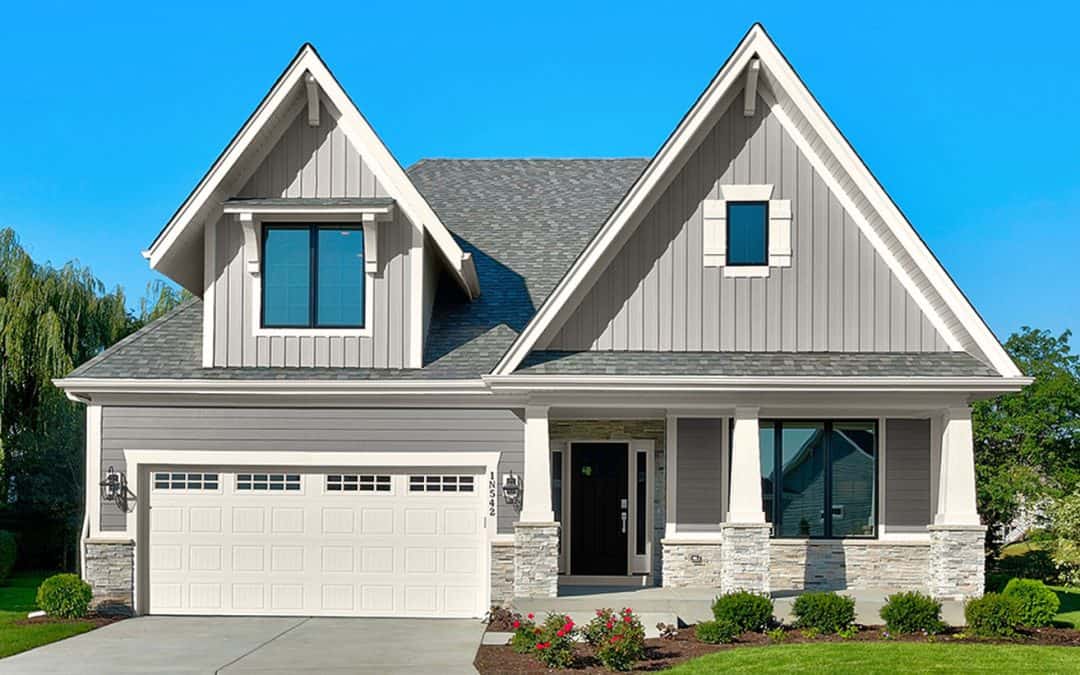
Green House Painting in Anchorage: Healthier Homes, Smarter Choices
If you want a beautiful finish and a cleaner, healthier home, eco-friendly painting is the clear path. In Anchorage, choices like low-VOC paints, efficient prep, and mindful cleanup don’t just help the planet—they make living spaces feel fresher and safer for your family, guests, and pets. Below, we’ll break down what “green painting” actually means in our Alaskan climate, how to plan an eco-smart project, and why partnering with Campbell Painting is a smart move for long-lasting, beneficial results.
Looking for experienced eco-friendly house painters? Explore Campbell Painting’s extensive experience and approach to sustainable painting in Anchorage.
What “Eco-Friendly” Painting Really Means (Anchorage Edition)
Eco-friendly house painting isn’t a single product—it’s a set of practices that reduce indoor air pollutants, limit waste, and extend the life of the paint job.
- Low- and zero-VOC coatings: Volatile Organic Compounds contribute to paint odor and can affect indoor air quality. Modern low-VOC interior and exterior paints dramatically reduce those emissions while delivering strong coverage.
- Durable, wash-friendly finishes: Longer-lasting coatings require fewer repaints, which lowers lifetime environmental impact.
- Right-sized prep: Careful masking, dust control, and targeted surface repairs prevent overuse of materials and minimize landfill waste. Our team at Campbell Painting is dedicated to efficient and sustainable practices, ensuring that only the necessary amount of materials is used and any waste is minimized.
- Mindful cleanup & disposal: Responsible rinsing, tool cleaning, and paint recycling keep chemicals out of local waterways and soil.
- Local climate fit: In Anchorage, cold temperatures and seasonal moisture require products and schedules that cure properly and resist cracking, peeling, and mildew. Our team at Campbell Painting is well-versed in the unique painting challenges presented by the Anchorage climate. We utilize products and schedules specifically designed to perform well in these conditions, ensuring a long-lasting and durable paint job for your home.
Why Low-VOC Paints Matter for Your Home
Paint smell isn’t just about comfort—it’s about air quality. Low-VOC and zero-VOC options help you:
- Move back in sooner after the interior work is complete.
- Reduce odors in bedrooms, nurseries, and home offices.
- Reduce the accumulation of lingering fumes during long winters when windows are kept closed.
- Enjoy resilient color without sacrificing performance.
Today’s eco-formulations offer rich colors, excellent hiding power, and scuff resistance—so you get beauty and durability with a reduced environmental impact.
Interior vs. Exterior: Eco Choices That Work in Alaska
Interior (Walls, Ceilings, Trim)
- Eggshell or matte for walls: Balanced sheen for easy touch-ups and reduced glare in rooms with limited winter daylight.
- Scrubbable finishes for kitchens & baths: Moisture-tolerant, low-odor products that withstand steam, splashes, and frequent cleaning.
- Ceiling paints with spatter control: Cleaner application means fewer wipes, less plastic, less waste.
Exterior (Siding, Trim, Doors)
- Elastomeric or flexible finishes for movement: Anchorage freeze-thaw cycles make flexibility crucial to resist hairline cracking.
- Mildew-resistant formulas Are Important for shaded exposures and coastal areas with high moisture.
- Proper film build & back-brushing ensure longevity—longer life means fewer resources are used over the years.
Planning a Green Painting Project: A Step-by-Step Roadmap
1) Assess the surfaces
Identify areas with peeling paint, chalky siding, water stains, or hairline cracks. Targeted repairs now reduce rework later.
2) Choose the right eco-friendly system
Match low-VOC primers and finishes to your substrate (drywall, plaster, wood, fiber-cement, masonry). Systems matter more than single products.
3) Set an Anchorage-smart schedule
- Interior: Any season works; use ventilation and air purification to minimize odors.
- Exterior: Aim for stable temperatures and dry weather conditions to ensure coatings cure correctly. Shoulder seasons can be ideal with the right products.
4) Minimize waste upfront
- Calculate coverage precisely to avoid leftover paint.
- Use high-quality rollers and brushes that last through multiple jobs.
- Reuse buckets and strainers when clean and safe.
5) Contain and control dust
HEPA vacuums, pole sanding with capture, and door/vent masking keep dust out of living areas and reduce the need for cleanup chemicals.
6) Clean up the right way
- Water-based paints: Wipe excess before rinsing; never dump slurries outdoors.
- Oil-based coatings (if specified): Collect rags and solvents in sealed containers and dispose of them through approved facilities.
Color & Light: Choosing Eco-Smart Colors for Anchorage Homes
Anchorage’s long winter means lower natural light for much of the year. Color strategy can lighten energy use and boost mood:
- Light, warm neutrals (soft creams, oat beiges, muted taupes) bounce available light and feel cozy without heaviness.
- Cool daylight spaces love gentler off-whites to reduce glare when the spring and summer sun is strong.
- Accent walls in deep forest, slate, or terracotta add depth without repainting entire rooms—less paint, more impact.
- Exterior palettes that play well with snow glare: mid-tone body colors with crisp, lighter trim help your home look sharp year-round.
Materials & Tools That Make a Green Difference
- Microfiber roller covers: Excellent transfer rate = fewer dips = less waste.
- Quality brushes: Lay down smoother films, last longer, and shed less.
- Low-odor caulks & sealants: Keep indoor air fresher while sealing drafts.
- Recycled drop cloths & reusable masking tools: Reduce plastic consumption.
- HEPA filtration & air movers: Faster cure, cleaner air during and after the job.
Exterior Durability: Stretch Your Repaint Cycle (and Shrink Impact)
Anchorage weather is tough on exteriors. A longer repaint cycle is the greenest choice of all:
- Thorough wash & decontamination before painting
- Spot prime bare wood and stains with the correct primer
- Back-brush on rough siding to drive coating into pores
- Correct dry film thickness—don’t stretch paint, but don’t over-apply either
- Strategic color selection to reduce UV fade on high-exposure elevations.
Fewer repaints over the next 8–12 years mean fewer gallons manufactured, shipped, and disposed of.
Healthy Home, Happy Family: Eco Wins You’ll Notice
- Cleaner indoor air and lower odors during and after the project
- Quicker re-occupancy of bedrooms and living spaces
- Easier cleaning with durable, scrubbable finishes
- Calmer acoustics (fresh coatings can subtly reduce surface squeak and fabric snag areas)
- A finish that lasts, saving time and money long term
How Campbell Painting Approaches Sustainable Painting
At Campbell Painting, eco-friendly isn’t a label—it’s the default process. Here’s how we build greener outcomes into every stage:
Thoughtful Planning
We right-size projects, select low-odor systems, and schedule with Anchorage’s climate in mind.
Careful Containment
Dust control, clean masking, and efficient floor/fixture protection reduce waste and keep job sites tidy.
Low-VOC Systems
We prioritize low- and zero-VOC coatings that still perform in cold, damp conditions.
Durability First
From primers to topcoats, we choose products and film builds that extend repaint cycles—the single biggest eco-win.
Responsible Cleanup
Tool cleaning, rag handling, and leftover paint management follow best practices that protect your home and the environment.
When you’re ready to start, connect with the team at Campbell Painting in Anchorage for a project plan that balances beauty, health, and longevity.
Room-by-Room Eco-Friendly Tips
Living Rooms & Family Spaces
- Low-sheen, washable finishes reduce the need for touch-ups.
- Light, reflective colors keep spaces bright in winter.
Kitchens
- Moisture-tolerant, scrubbable paints around prep areas.
- Semi-gloss for trim and doors for easier grease cleanup.
Bedrooms & Nurseries
- Zero-VOC options offer the freshest air profile.
- Paint earlier in the day; let ventilation do the rest.
Bathrooms & Laundry
- Mildew-resistant formulations with proper prep and caulking.
- Exhaust fans on during painting and curing.
Home Offices
- Balanced neutrals support focus and video-call lighting.
- Low-glare finishes minimize eye strain.
Smart Budgeting for Green Painting
Eco-friendly doesn’t have to mean expensive. A few choices maximize value:
- Invest in prep to reduce future failures.
- Select mid-to-premium paints that last longer (fewer total gallons over time).
- Bundle rooms to save on mobilization and reduce packaging waste.
- Keep a labeled touch-up kit so you can extend the life of high-traffic areas without a full repaint.
Common Myths—Busted
“Eco paints won’t cover well.”
Modern low-VOC formulas deliver excellent coverage when paired with the right primer.
“Low-odor means low durability.”
Durability stems from resin chemistry, film build, and preparation—not the smell.
“Green painting costs a lot more.”
The lifetime cost often drops due to longer cycles, fewer repaints, and less downtime.
Quick Eco Checklist (Print-Friendly)
- Choose a low- or zero-VOC primer and paint
- Confirm Anchorage-appropriate cure windows.
- Use HEPA sanding & dust control.
- Right-size paint orders to cut leftovers.
- Reuse tools where safe; buy quality once
- Handle cleanup and disposal responsibly.
- Keep a small touch-up kit for longevity.
Why Now Is a Great Time to Paint
With supply chains stabilized and advanced coatings readily available, achieving low-odor, quick-curing results is easier than ever. Schedule interior projects year-round or plan for exterior work as weather allows. The sooner you update, the sooner you can enjoy cleaner air, fresh color, and a lower environmental footprint at home.
For a smooth, eco-friendly experience from start to finish, contact Campbell Painting and let’s create a plan that fits your timeline, budget, and goals.
FAQs
1) Are low-VOC paints safe for kids and pets?
They’re formulated to significantly reduce emissions and odors. With sensible ventilation and dry times, families typically return to rooms sooner and more comfortably.
2) Will eco-friendly paints last through Anchorage winters?
Yes—when selected and applied correctly. Flexible exterior systems, careful prep, and proper film build are key to long-term performance in freeze-thaw cycles.
3) Do I need a special primer for green painting?
Not always, but pairing the right low-VOC primer with your topcoat improves adhesion, stain blocking, and coverage—especially on stained or previously glossy surfaces.
4) Can I make leftover paint “eco-friendly”?
Use it for touch-ups, store it sealed for future maintenance, or take it to an approved recycling/disposal site. Never pour paint outdoors or into drains.
5) How do I keep odors down during the job?
Choose low- or zero-VOC products, ventilate with fans and open windows when possible, and keep doors closed to non-work areas. Air purifiers can also help.

Ben Campbell is the proud owner of Campbell Painting LLC, a successful painting company based in Anchorage, Alaska. As a third-generation member of the painting industry, Ben has a deep-seated passion for his profession that started with his grandfather, who came to Alaska to sell paint. Born and bred in Alaska, Ben’s connection to his community is genuine and strong. Since 2006, he has been providing top-quality painting services, enhancing the beauty of Anchorage one building at a time. He also studied at Santa Barbara City College, solidifying his industry knowledge. Ben’s journey, including overcoming adversity, is a testament to his resilience and commitment to his craft, which is reflected in the success and reputation of Campbell Painting LLC.
Recent Comments