
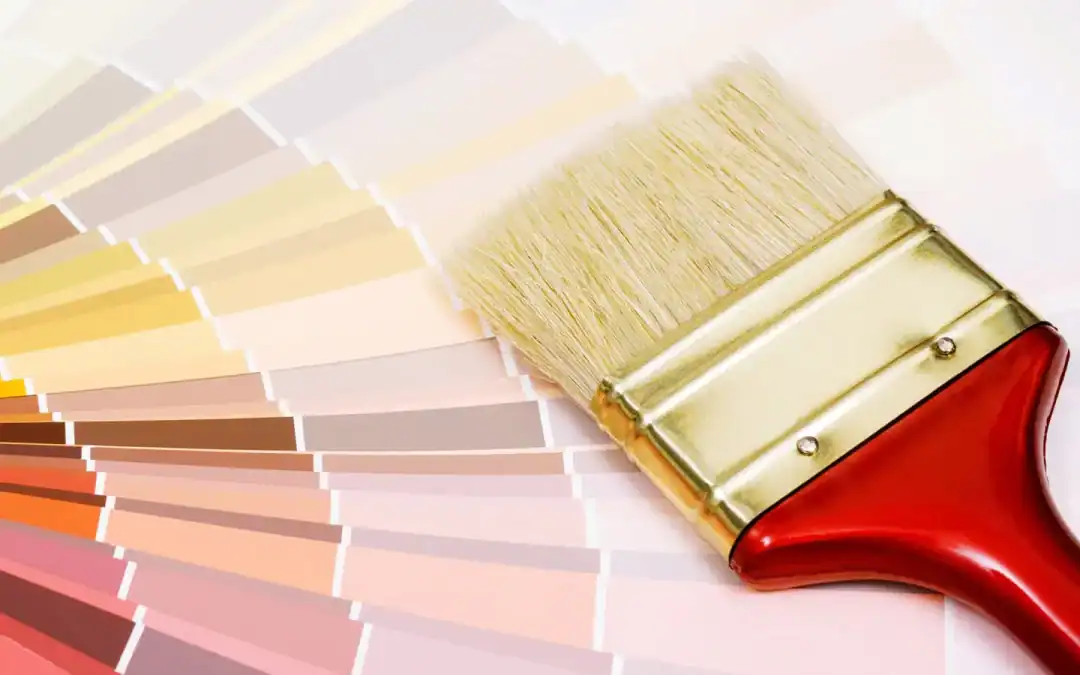
HOAs must set palette standards to protect curb appeal and simplify maintenance; establish clear, maintenance-friendly palette rules that guide every repaint. Make sure your specifications include weather-resistant, high-quality coatings that extend service life and reduce long-term costs, because non-compliance or improper finishes can trigger fines, accelerate deterioration, and lower property value. This guide tells you how to balance aesthetics, durability, and enforcement.
Key Takeaways:
- Adopt a cohesive, limited palette with primary, accent, and neutral bases to maintain consistent curb appeal across the community.
- Specify weather-resistant paints and proper surface preparation for Anchorage’s freeze‑thaw and moisture conditions to maximize durability and reduce maintenance.
- Establish a transparent approval process that includes documented color samples, application standards, warranty expectations, and a maintenance budget. This is crucial for preserving long‑term standards.
Understanding the Role of HOAs in Painting Decisions
Importance of Aesthetic Uniformity
You rely on consistent palettes to protect curb appeal, reduce visual clutter, and maintain resale values; many HOAs limit exterior choices to 3–6 base colors to keep streetscapes cohesive. Developers and boards often mandate coordinated trim, accent, and roof pairings to prevent clashing combinations that can trigger neighbor disputes and degrade perceived neighborhood quality.
HOA Guidelines and Regulations
You must follow CC&Rs and ARC/ARB rules that specify permitted colors, finish types, and application standards; typical review windows are 30–45 days, and painting without approval can result in fines or mandatory repainting. Expect requirements for color chips, manufacturer codes (e.g., Sherwin‑Williams/Benjamin Moore), contractor insurance, and approved finish sheen levels.
You should know the governance mechanics: routine paint approvals usually proceed by simple majority at the board or ARC level, while permanent covenant changes often require a supermajority—typically around 66.7%—of owner votes. Process steps often include a formal application, submission of 2–3 physical color samples, and a site visit; many HOAs also require a 4×4″ test swatch on facade for 7–30 days to observe daylight behavior and weathering before final sign-off.
Assessing Community Preferences
Community Preferences: A Key Factor in Palette Selection you can reduce conflict by gathering data: use online surveys, neighborhood meetings, and sample boards to capture homeowner intent—aim for responses from at least 30% of households to get statistically useful guidance. Pilot projects on a few homes help illustrate real-world outcomes and build consensus faster than abstract color chips. Remember, the community’s input is crucial in this process, making them feel involved and valued.
You should structure the preference collection: run a 2‑stage process (an initial survey to narrow to 8–10 palettes, then a focused vote on the top 3–5 options), host a color workshop with daylight mockups, and map preferences by street exposure and lot orientation. Also factor in climate-driven performance—long Arctic winters and UV cycles in Anchorage affect fade and gloss retention—so prioritize durable formulas and document results to guide future repaint cycles.
Choosing the Right Anchorage Painting Company
Qualities to Look for in a Contractor
You should prioritize contractors with 5+ years of local experience, documented HOA or multi‑unit work, and clear systems for prep, caulking, and back‑priming; look for teams that specify coatings (elastomeric for stucco, fluoropolymer for metal) and offer a written warranty of at least 3–5 years on workmanship and materials.
Checking References and Portfolios
Ask for a minimum of three recent HOA or multi‑building references, request before/after photos, and visit at least one finished site to inspect adhesion, uniformity, and cleanup; poor prep shows early failure, so verify longevity claims and ensure job scale matches your project.
When vetting references, call property managers and homeowners and ask targeted questions: did the crew finish on schedule, how many change orders occurred, how responsive was warranty service, and were punch‑list items closed within 30 days? Cross‑check photos with permit records and product data sheets to confirm the contractor actually used specified systems; for Anchorage jobs, insist references include projects exposed to salt spray or frequent freeze‑thaw so you know the contractor’s details perform in your climate.
Evaluating Licensing and Insurance
Verify active business registration and that the contractor carries general liability (commonly $1M+ per occurrence), automobile liability, and workers’ compensation; require a Certificate of Insurance naming your HOA as additional insured to protect your association from third‑party claims.
Dig deeper by getting an up‑to‑date COI with policy numbers, effective dates, and limits, and call the insurer to confirm coverage; for larger contracts, consider requiring a performance or payment bond and confirm subcontractors are covered under the policy or provide their own COIs. Insist on written language in the contract that the contractor will maintain coverage through project completion and any warranty period, so your association never inherits exposure from an uninsured job.
Establishing Palette Standards
Importance of Color Theory in Community Design
Establishing Palette Standards: The Power of Color Theory in Community Design you should use color theory to shape perception and cohesion; warm hues advance and create intimacy, cool hues recede and calm. Apply the 60/30/10 distribution for facades—primary 60%, secondary 30%, accent 10%—and meet WCAG 2.1 contrast of 4.5:1 for signage and trim to ensure accessibility. In Anchorage, where overcast winters dominate, slightly warmer mid-tones maintain visual warmth and curb appeal across seasons. Understanding and applying color theory empowers you to create a cohesive and visually appealing community design.
Guidelines for Selecting Colors
Guidelines for Selecting Colors: Prioritizing Durability, you must define a three-tier palette —base (70%), field/secondary (20%), and accents (10%) —limit the HOA master palette to 6–12 approved colors, and require both manufacturer codes (e.g., Sherwin‑Williams, BM) and physical swatches. Test each option on two facades and submit 24–48″ sample panels for committee review; prioritize finishes with proven exterior durability. By prioritizing durable paint finishes, you can feel secure and confident in your choices, knowing they will stand the test of time.
When refining choices, insist on LRV ranges—base colors between 25–65 LRV to balance heat absorption and visibility—and avoid extremes that accelerate fading or maintenance. Require paint specs: 100% acrylic exterior formulations, manufacturer warranty details, and documented fade resistance. Mandate mock-ups exposed for at least 6–12 months across sun- and shade-facing walls before final approval to capture true weathering and light interaction.
Seasonal Color Considerations
You need palettes that read consistently through snow, melt, and long summer daylight; snow reflectance can make pale colors appear brighter, while wet conditions darken hues. Favor mid-tone bases and warmer accents to preserve perceived warmth in winter, and specify UV‑resistant pigments to limit summer fade. Highlighted items: test against snow and wet siding during approval.
For operational planning, schedule final paint and mock-up installations in late summer for optimal curing, and include a five‑year review clause for palette adjustments after observed seasonal wear. Coordinate color choices with landscaping—evergreen massing and deciduous blooms alter perceived saturation—and require suppliers to provide accelerated weathering data or third‑party fade tests when available.
Painting Techniques and Materials
Recommended Paint Types for Longevity
You should specify proven systems that match substrate and climate; common choices are below:
- 100% acrylic latex — excellent UV resistance, flexible on wood and cement
- Alkyd enamel — durable for metal trim and doors
- Elastomeric coatings — bridge hairline cracks on stucco/CMU
- High-build acrylics — added film thickness for harsh exposure
- Epoxy/zinc-rich primers — corrosion control for steel
Recognizing that a properly primed two-coat system typically extends exterior life to 12–20 years in Anchorage conditions.
| Coating | Why/Notes |
| 100% acrylic latex | Best all-around: UV/stain resistance, 10–20 year lifespan on siding |
| Alkyd enamel | Hard, smooth finish for metal/trim; use in well-ventilated areas |
| Elastomeric coating | Seals stucco/CMU; flexible, reduces water intrusion, but needs good drainage |
| High-build acrylic | Thicker film for exposed elevations; decreases maintenance frequency |
| Epoxy/zinc-rich primer | Use on steel to prevent corrosion; often required by spec |
Eco-Friendly Options for Neighborhoods
You can specify low-VOC and certified products to reduce odors and emissions: target paints with <50 g/L VOC, products with Green Seal or LEED credits, and waterborne acrylic formulations that still deliver 10–15-year exterior performance.
For procurement, require product data sheets and third-party certification (Green Seal GS-11 or SCAQMD compliance). You should expect a modest premium—commonly 5–15%—but benefit from faster re-occupancy, lower community complaints, and eligibility for incentive programs; use low-VOC primers and ask contractors to provide SDS for all materials.
Surface Preparation Best Practices
You must enforce thorough prep: power-wash at 1,500–2,500 psi to remove dirt and mildew, scrape and abrade loose paint, and test for lead on buildings built before 1978—use only EPA RRP-certified firms for lead work and avoid high-pressure wash near openings.
Allow substrates to dry 24–72 hours, depending on temperature and humidity, and apply primers matched to the substrate (alkyd or oil-based for stained wood, epoxy/zinc for steel, block-fill primers for CMU). You should specify back-rolling on textured surfaces, elastomeric caulks for movement joints, and contractor QA: adhesion tests and photos before topcoat application.
Maintenance and Upkeep
Regular Inspection Timelines
Plan exterior inspections at least every 6–12 months, with high-exposure façades checked every 3–6 months. After the spring thaw and major storms, you should inspect for peeling paint, blistering, open caulk, and water intrusion. Use a simple checklist that logs GPS/photo evidence and dates; insurers and contractors will ask for that history when estimating repairs.
Touch-Up Guidelines for Homeowners
Keep your unit’s original color codes and a small matched sample (12–16 oz) on hand so you can perform quick repairs. Clean the area, sand with 120–150 grit, apply primer to bare wood, then apply two thin coats of exterior acrylic latex with a matching sheen. Address bare wood or exposed substrate within 72 hours to prevent rot and substrate failure.
Bring a touch-up kit that includes labeled paint, a foam brush, a 2″ nylon/poly brush, 120-grit sandpaper, and a small tub of exterior-grade primer. When blending, feather the new paint outward and let each coat dry 24–48 hours, depending on temperature—ideally above 50°F and below 85°F. Photograph repairs and note the location in the HOA log so multiple owners don’t duplicate work, and color variation is minimized.
Long-Term Maintenance Plans
Create a maintenance cycle based on materials: wood siding every 3–7 years, composite or fiber-cement every 7–15 years, and metal or stucco every 10–15 years. Budget roughly $1.50–$6.00 per sq ft. for full exterior refreshes, depending on prep needs, and align repainting with roof and gutter schedules to reduce repeat access costs.
Develop a 10-year HOA roadmap: Year 1: inspections and targeted touch-ups; Years 2–4: monitoring and small repairs; Year 5: partial repaint of high-exposure zones; Year 7: full exterior caulking and select panel replacements; Year 10: full repaint. Solicit three competitive bids with identical specs (power wash, scrape, prime bare substrate, two coats 100% acrylic) and fund with an annual reserve contribution of 5–10% of projected project cost, logged in HOA financials for transparency.
Handling Disputes and Non-Compliance
Communication Strategies with Residents
You should use layered outreach: an initial mailed notice, an email with color swatches, and a door-hanger follow-up. Provide a clear submission form and ask for two physical 4×6 swatches, along with the manufacturer’s name and sheen. Set a deadline—commonly 14 days for initial responses—and offer an in-person or virtual review window. In Anchorage, mention that freeze‑thaw exposure can shorten paint life (trim: 5–7 years; siding: 7–12 years), so residents understand why you enforce specific product types.
Dispute Resolution Processes
Start with an informal meeting within 30 days of a complaint, move to a written notice with a 14–30 day cure period, then offer mediation before escalation. If unresolved, use binding arbitration or small claims court for financial disputes under $10,000. Document every step with dated photos, contractor estimates, and signed meeting minutes to ensure a defensible record.
For greater depth, require a standard dispute packet: a complaint form, a color approval record, inspection photos, and a contractor remedial estimate. Typically, you’ll schedule mediation within 60 days of failed informal talks, splitting mediator costs 50/50 unless your bylaws state otherwise. When fines are involved, many HOAs use graduated penalties—$25–$200 per day after a final 7–14 day notice—paired with a lien option for unpaid remediation costs. Keep timelines rigid: they strengthen your legal position and reduce repeat violations.
Enforcing Palette Standards
Embed detailed palette rules in your architectural standards: list approved manufacturers, product codes, and acceptable sheens. Use annual exterior inspections and issue a violation notice with a 14–30 day cure period. If non‑compliance persists, apply fines per your schedule and require rectification by an approved contractor, charging the HOA back if the work is not completed.
When enforcing, use third‑party inspection reports and at least two contractor bids before authorizing remediation, then place a lien for unpaid costs. Include sample covenant wording: “Owner must submit manufacturer, color code, and sheen; failure to cure within 30 days permits HOA to contract and charge owner, plus $50/day administrative fine.” In Anchorage, require paints rated for extreme temperature cycles and UV resistance to avoid repeated violations and structural moisture issues.
Hence, you can apply the Anchorage Painting Company Guide for HOAs: Palette Standards That Last to establish durable, cohesive color systems that reduce maintenance and protect your property values; by choosing climate-tested finishes, clear approval processes, and scheduled upkeep with qualified contractors, you ensure long-term consistency and cost-efficiency.
FAQ
Q: How should an Anchorage HOA choose a paint palette that withstands the local climate and still meets community design goals?
A: Select paints formulated for extreme cold, UV exposure, and moisture common in Anchorage. Prioritize 100% acrylic exterior alkali‑resistant formulations with high-quality pigments and UV stabilizers to reduce fading and chalking. Use lower-sheen finishes on siding for dirt concealment and satin/semigloss on trim for washability. Create real-world mockups on-site — full panels painted and exposed through a seasonal cycle — to evaluate color appearance under varying light and snow cover. Limit the palette to coordinated neutrals with a small set of approved accent colors to simplify future maintenance and preserve cohesive curb appeal. Specify manufacturer names, product lines, and exact color codes (manufacturer and formula) in HOA standards to ensure consistent reproduction.
Q: What procedural standards should the HOA adopt to approve, document, and enforce palette choices?
A: Establish a written palette standard that includes approved color swatches, acceptable sheens, substrate-specific application instructions, and a list of pre‑qualified contractors. Require submission of color sample boards, mockup photos, and manufacturer technical data sheets for approval. Define an approval workflow: the application form, the ARC review timeline, and the conditions for conditional approvals. Include procurement specs (surface prep, primer, minimum dry film thickness, number of topcoats, VOC limits) and require contractors to deliver material submittals and batch/color consistency documentation. Enforce compliance via inspection checklists, final sign‑off before release of retainage, and defined remedies for nonconforming work. Keep an accessible digital archive of approved colors, vendor contacts, and project records for future maintenance and repainting.
Q: What maintenance, touch‑up, and warranty practices extend the life of HOA paint palettes in Anchorage?
A: Implement a preventative maintenance plan with annual inspections focusing on caulking, flashing, and areas of salt or road spray. Conduct cleaning cycles to remove mildew and road film before repainting is needed. Store touch‑up kits (exact product, batch, and color formula) and train maintenance staff or contractors on proper feathering and surface prep to avoid obvious patching. Schedule full repaints based on substrate: typically 8–12 years for wood and trim, 10–15 years for quality acrylics on siding, with more frequent attention to metal for corrosion control. Require contractors to provide workmanship warranties (commonly 2–10 years) and pass through manufacturer product warranties; include a color retention/fade clause where available. Maintain documentation of paint codes, batch numbers, and application records to ensure accurate color matching during repairs or full repaint cycles.

Ben Campbell is the proud owner of Campbell Painting LLC, a successful painting company based in Anchorage, Alaska. As a third-generation member of the painting industry, Ben has a deep-seated passion for his profession that started with his grandfather, who came to Alaska to sell paint. Born and bred in Alaska, Ben’s connection to his community is genuine and strong. Since 2006, he has been providing top-quality painting services, enhancing the beauty of Anchorage one building at a time. He also studied at Santa Barbara City College, solidifying his industry knowledge. Ben’s journey, including overcoming adversity, is a testament to his resilience and commitment to his craft, which is reflected in the success and reputation of Campbell Painting LLC.